
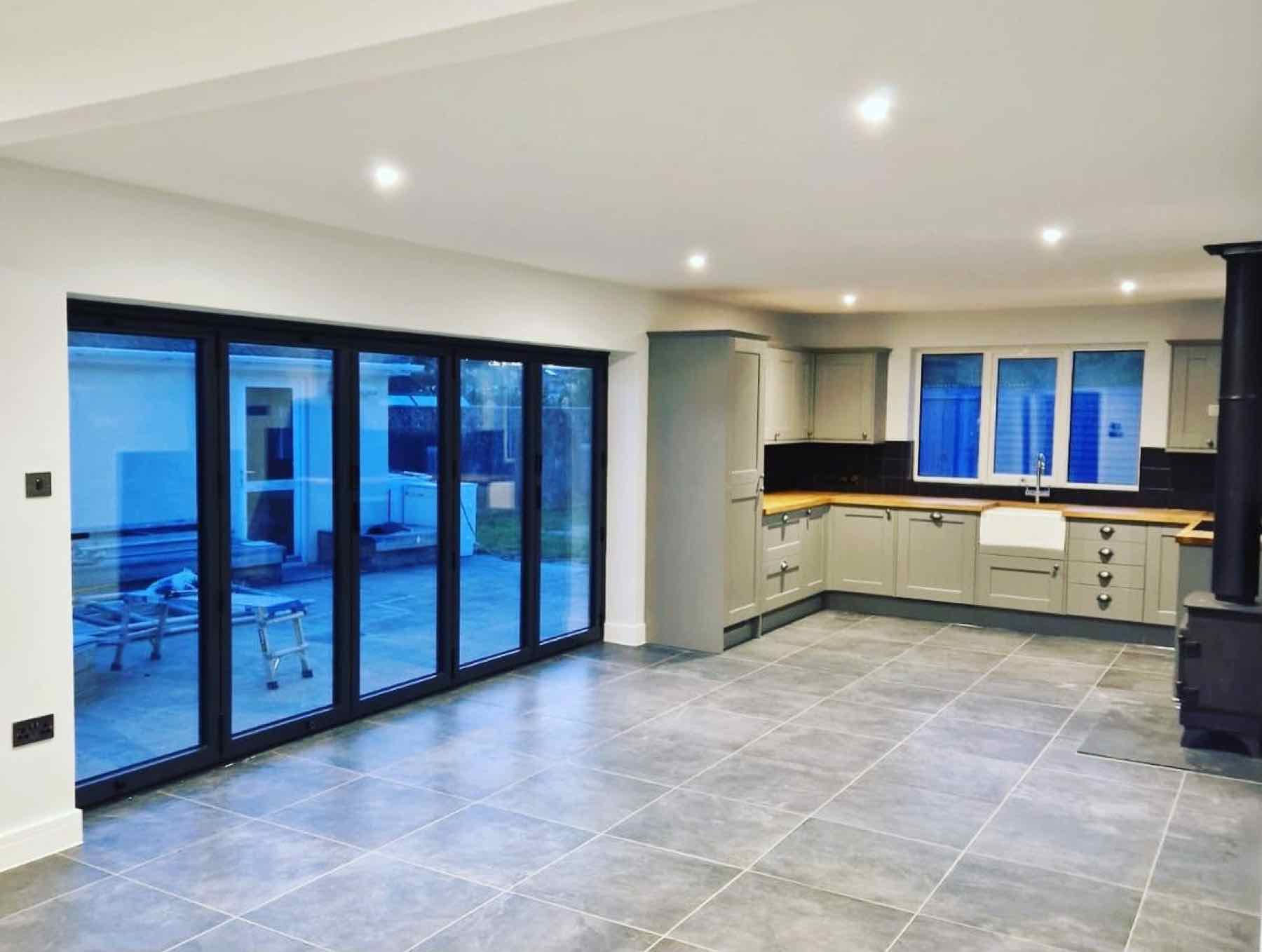
Tiling · North Devon
Tiling done in-house, on substrates prepared properly before a single tile is laid.
Tiling is often the last thing anyone sees before a bathroom or kitchen goes into use, and it is unforgiving of anything wrong underneath it. We carry it out ourselves as part of the build: tanking wet areas, levelling floors, and setting large-format and natural stone tiles on a substrate we have already checked is fit to take them.
Established 2020 · £5m public liability · 12-month workmanship guarantee · In-house team of five
- ~20 years in the tradeAdam project-manages every job personally
- In-house, not subbed outTiling completed by our own team
- £5m public liabilityPlus £10m employers' liability cover
- 12-month guaranteeNo-quibble workmanship cover after completion
- Certified where it mattersPart-P electricians and gas-registered engineers for wet room services
Service overview
What tiling work with us actually involves
Tiling comes up in almost every bathroom, kitchen and wet room we build, plus standalone jobs re-tiling an existing room. Because we also handle the carpentry, plastering and groundwork around it, the tiler is never the person left to fix somebody else's substrate.
A tiling job starts with the substrate, not the tile. Floors need to be flat, structurally sound and, where there is underfloor heating, allowed to run through a commissioning cycle before tiling begins. Walls need to be dry, flat and correctly boarded, standard plasterboard in a dry area, moisture-resistant board or cement backer board in a wet area. Getting this stage wrong is the single biggest cause of tiling failures, and it is invisible once the tiles are on.
Wet areas, showers, wet rooms, areas around baths, are tanked before tiling starts, using a waterproof membrane system taken up the walls and across the floor with the joints, corners and pipe penetrations properly sealed. This is what actually stops water getting into the floor and walls, not the grout joints, which is a common misunderstanding.
We work with the full range of tile formats used in Devon homes today: standard ceramic and porcelain, large-format porcelain slabs that need a flatter substrate and different adhesive technique, and natural stone such as slate, limestone and travertine, which often needs sealing before and after grouting to avoid staining. Underfloor heating, whether electric mat or wet system, is factored into adhesive choice and expansion joint layout from the start.
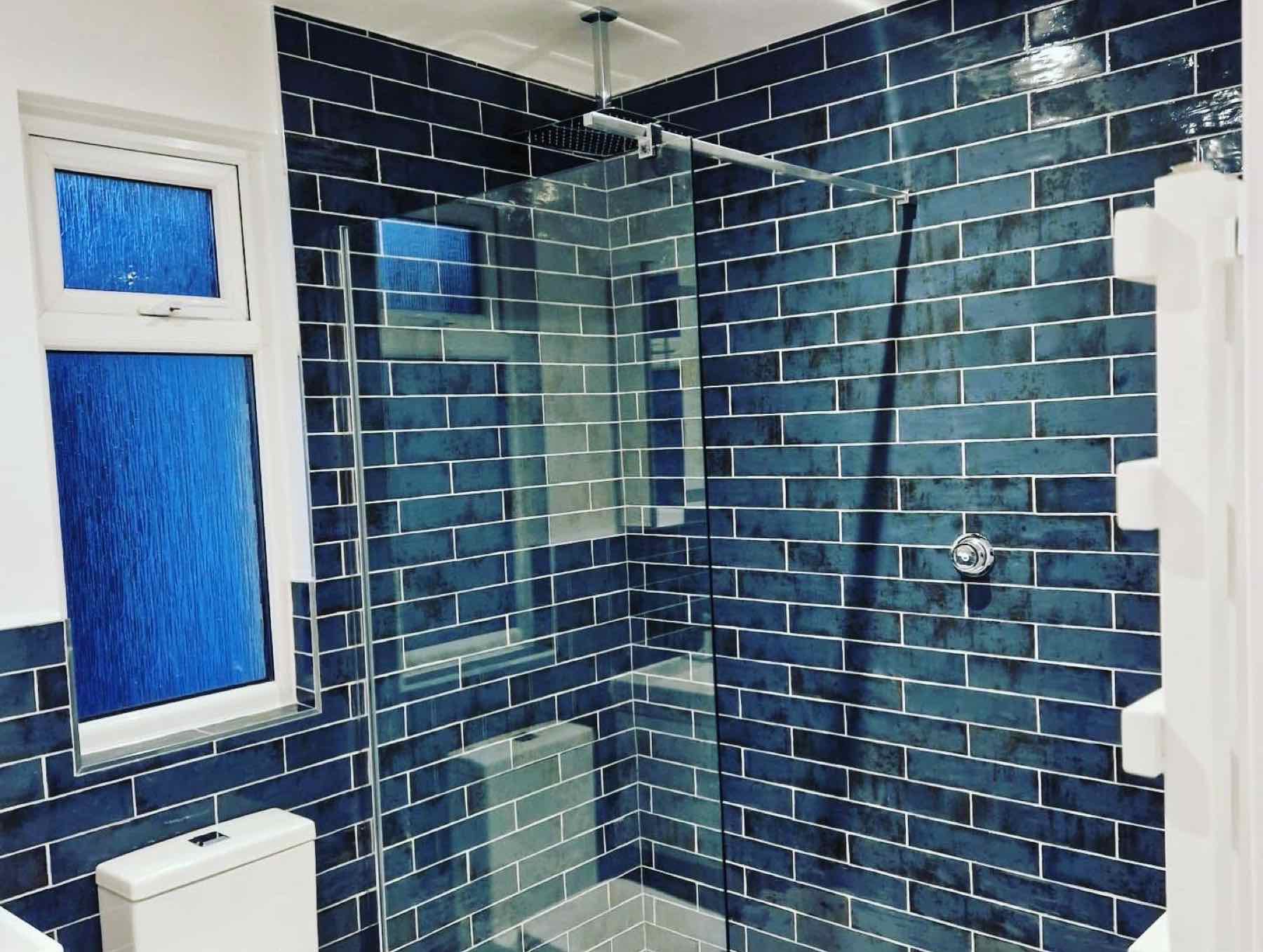
- Who it is forAnyone fitting a new bathroom, wet room or kitchen, self-builders who want tiling handled by the same team as the rest of the build, and homeowners re-tiling a room where the existing tiling has failed or dated.
- When you need itOnce first fix plumbing and electrics are in and boarding is up, or when re-tiling an existing wet area: ideally alongside checking the waterproofing behind the old tiles rather than tiling straight over a problem.
- Why proper tiling mattersA leaking shower tray or badly tanked wet room can run water into a floor or ceiling below for months before it is noticed, by which point the damage is well beyond the cost of doing the tanking properly in the first place.
What it costs to get wrong
What goes wrong with rushed or badly prepared tiling
Tiling failures rarely show up on day one. They surface months or years later, usually as a cracked tile, a soft floor, or damp coming through a ceiling below a bathroom.
No tanking, or tanking done badly
Relying on grout to keep water out of a shower or wet room does not work: grout is not waterproof on its own. Without a properly detailed tanking membrane, water tracks behind the tiles and into the floor or the room below.
Tiling onto an unsuitable board
Standard plasterboard in a wet area softens and fails over time. Cement backer board or a suitable tile backer is needed anywhere water is regularly present, not just where it is visibly wet.
Large-format tiles on an uneven substrate
Big porcelain slabs show every dip and high spot in the substrate as lippage between tiles, and are prone to cracking if not fully bedded in adhesive across the whole back of the tile. A floor that is fine for small tiles can be unfit for large format without extra levelling.
Underfloor heating not accounted for
Tiling over underfloor heating before it has been commissioned and brought up to temperature gradually can crack tiles and grout as the floor expands. Adhesive and movement joints also need to suit a heated floor, not just a standard one.
Natural stone left unsealed
Stone such as limestone and travertine is porous. Left unsealed, it stains from grout, grease and everyday use almost immediately, and once staining sets in it is very hard to remove.
How the job runs
From first visit to final snag
- 01
Site visit and free estimate
We look at the room, the existing substrate or the plans, and discuss tile type and format, giving you an honest ballpark figure with no obligation.
- 02
Detailed quote
A full itemised quote is produced for a fee, refunded in full if you go ahead: covering substrate preparation, tanking where needed, tile supply if required, and finish.
- 03
Substrate preparation
Floors levelled, walls boarded with the correct backer for the environment, and underfloor heating commissioned and run through its cycle before anything is tiled over it.
- 04
Tanking wet areas
A waterproof membrane system applied across floors and up walls in showers and wet rooms, with joints, corners and pipe penetrations properly sealed and left to cure.
- 05
Setting out and laying
Tiles set out to minimise awkward cuts around fittings and doorways, laid with full adhesive coverage, and levelled to avoid lippage, particularly on large-format tiles.
- 06
Grouting, sealing and guarantee
Grouted, silicone sealed at movement joints and wet edges, natural stone sealed where needed, and the completed work backed by our 12-month no-quibble workmanship guarantee.
Why us
What you get by building with us
In-house, not subcontracted out
Tiling is completed by our own team as part of the build, so it is never a separate trade left guessing at what the substrate underneath is doing.
Substrate checked before a tile goes down
Because we control the carpentry, plastering and first fix around it, the floor and walls are already right by the time tiling starts.
Wet areas properly tanked
Waterproof membrane systems fitted correctly at floors, walls, corners and penetrations, not relied on grout alone to keep water out.
Large-format and natural stone handled properly
Substrates levelled to suit big porcelain slabs and full-coverage adhesive, and natural stone sealed to stop staining before it starts.
Underfloor heating accounted for
Heating systems commissioned and brought up gradually before tiling, with adhesive and movement joints chosen to suit a heated floor.
Backed by a workmanship guarantee
A 12-month no-quibble guarantee on completed tiling, plus £5m public liability cover on every job we carry out.
In detail
Tiling detail: substrates, tanking and materials
The finished look of a tiled room depends almost entirely on decisions made before the first tile goes on. Here is what happens beneath the surface.
Substrate preparation
Floors are checked for flatness and, where timber, for deflection and fixing before anything is laid on them: a floor that flexes underfoot will eventually crack grout lines and loosen tiles regardless of how well they were fixed. Self-levelling compound or additional boarding is used where the existing floor is not flat or stiff enough.
Walls in dry areas can generally be plastered or boarded conventionally, but anywhere water is regularly present needs a cement-based backer board or equivalent tile backer rather than standard plasterboard, which softens over time when repeatedly wet.
Tanking wet areas
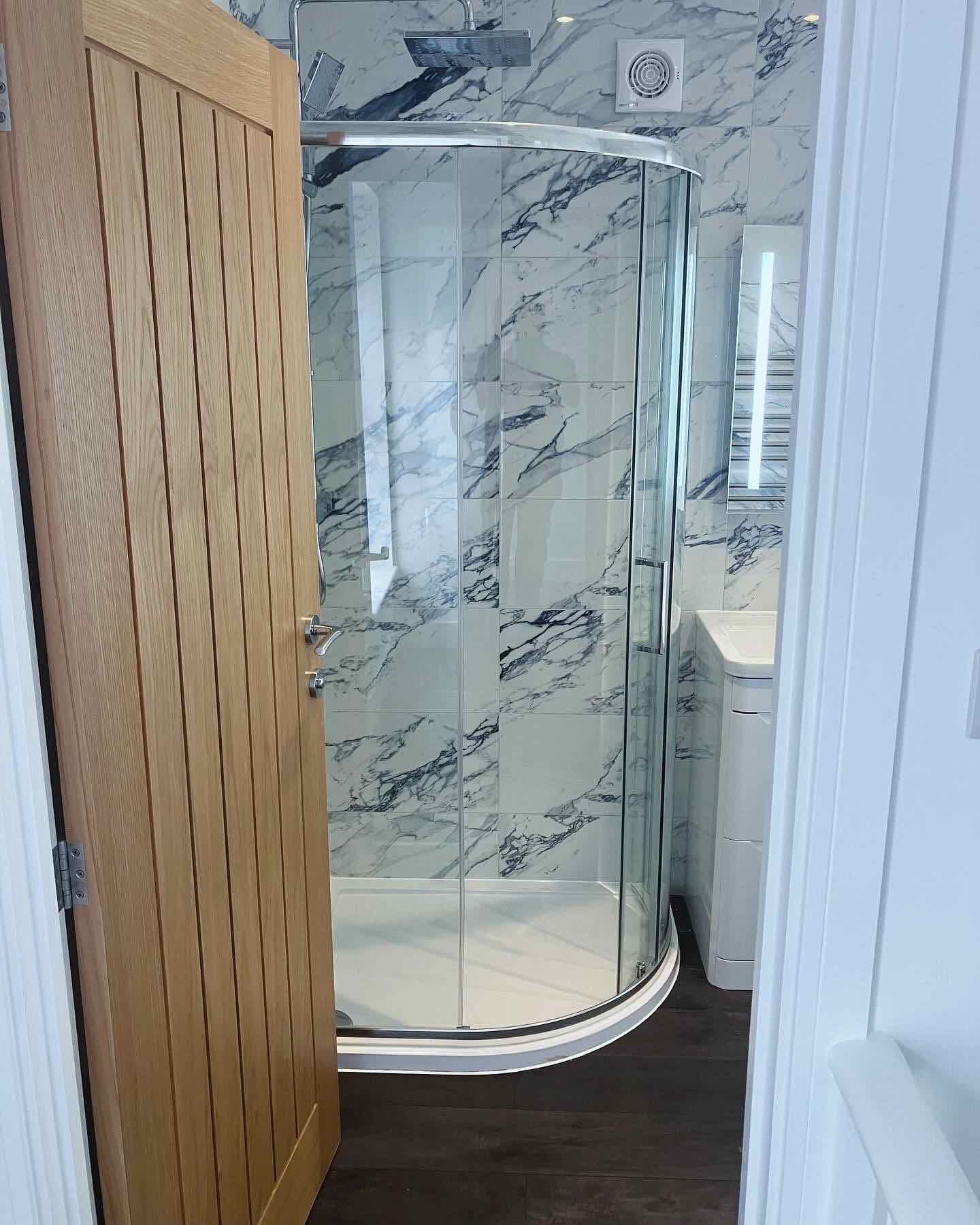
Showers, wet rooms and areas around baths are tanked with a liquid or sheet membrane system before tiling. This is applied across the floor and up the walls to the required height, with reinforcing tape and corner pieces at every joint, internal corner and pipe or waste penetration, since those are the points that actually let water through.
The membrane is left to cure fully before tiling starts. Skipping or rushing this stage is invisible once the tiling is finished, which is exactly why it is one of the most common causes of hidden water damage in bathrooms.
Underfloor heating and tiling
Whether it is an electric heating mat under a bathroom floor or a wet underfloor heating system across a larger area, the system is commissioned and run through a gradual heat-up cycle before tiling begins, and again before it is used at full temperature afterwards. Skipping this step is a common cause of cracked grout and lifted tiles.
Adhesive is chosen to suit a heated floor, and movement joints are positioned to allow the floor to expand and contract without transferring stress into the tile joints.
Large-format porcelain
Large-format tiles need a substrate that is genuinely flat, not just flat enough for a smaller tile, because any dip or high spot shows immediately as lippage between adjoining tiles. They also need full adhesive coverage across the entire back of the tile rather than just at the corners and centre, using the back-buttering technique where required, to avoid hollow spots that crack under load.
Handling and cutting large slabs safely also takes different tools and more than one pair of hands, which is factored into how the job is priced and sequenced.
Natural stone
Slate, limestone, travertine and similar stone tiles are porous and need sealing before grouting, to stop grout haze and staining working into the surface, and again after grouting for ongoing protection. Some stone also needs a specific adhesive and grout colour to avoid staining from the setting materials themselves.
Natural stone varies tile to tile in colour and texture, so tiles are laid out and blended across the room before fixing rather than taken straight from the box in sequence.
Fitting into a wider build
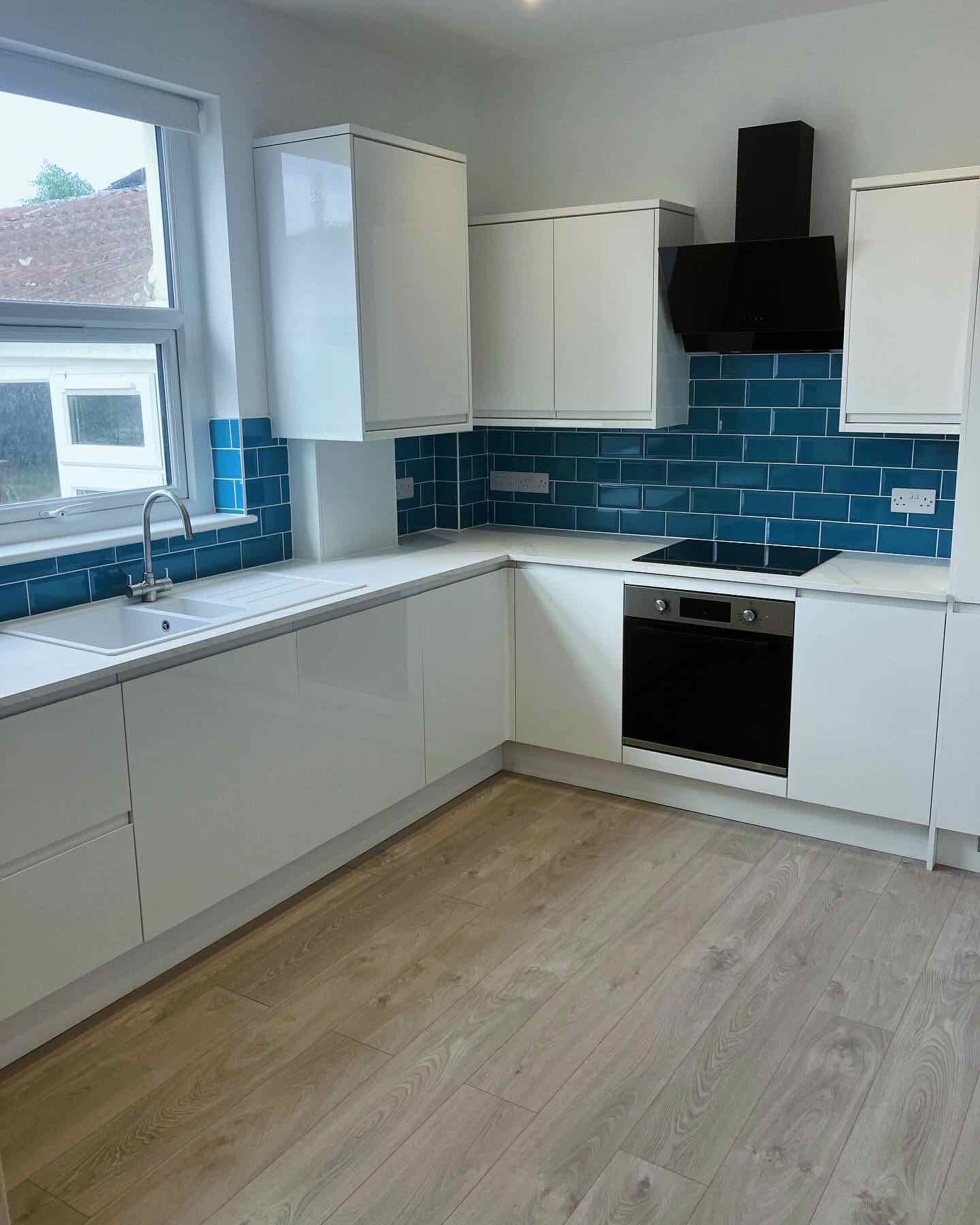
On new builds, extensions, kitchens and bathrooms we complete, tiling follows straight on from plastering and second fix, once fittings such as sanitaryware and kitchen units are positioned. Being the same firm throughout means the tiler knows exactly where pipework, waste points and fixings sit, rather than working from someone else's guesswork.
On standalone re-tiling jobs, we check the condition of what is underneath the existing tiles, particularly in wet areas, before quoting, since a re-tile over failed tanking is a job that will need doing twice.
Questions
Straight answers before you commit
If your question isn't here, ring Adam directly; you'll get the same straight answer on the phone.
Do you supply the tiles or do I need to source them myself?
Either way works. We are happy to fit tiles you have chosen and purchased, or advise on suppliers and tile types suited to your room and budget as part of the quote.
How do you stop water getting behind tiles in a shower?
By tanking the floor and walls with a waterproof membrane system before tiling, sealed properly at joints, corners and pipe penetrations. Grout on its own is not waterproof, which is a common misunderstanding.
Can you tile over underfloor heating?
Yes. The heating system is commissioned and run through a gradual heat-up cycle before tiling and before full use afterwards, and the adhesive and movement joints are chosen to suit a heated floor.
Do large-format tiles need anything different from standard tiles?
Yes. They need a flatter substrate, full adhesive coverage across the back of the tile, and careful handling when cutting and lifting. A substrate that is fine for a small tile is not automatically fine for a large-format slab.
Do you seal natural stone tiles?
Yes, most natural stone such as limestone and travertine is sealed before grouting to prevent staining, and again afterwards for ongoing protection.
Is tiling carried out by your own team or subcontracted?
Tiling is completed in-house by our own team, usually as part of the wider bathroom, kitchen or build project.
My old tiles have failed, can you just re-tile over them?
We would want to check what is happening underneath first, particularly in a wet area, since re-tiling over failed tanking or a soft substrate just repeats the same problem.
How much does tiling cost?
It depends on the area, the tile format and whether tanking or substantial substrate work is needed. Your initial estimate is free; a full itemised quote carries a fee, refunded in full if you proceed.
Is tiling work guaranteed?
Yes, all completed tiling is backed by our 12-month no-quibble workmanship guarantee, and we carry £5 million public liability insurance.
Which areas do you cover for tiling?
We are based at Langtree near Great Torrington and work across North Devon, including Bideford, Barnstaple, Holsworthy, Hatherleigh, Winkleigh and Braunton.
Related work
Other trades we cover in-house
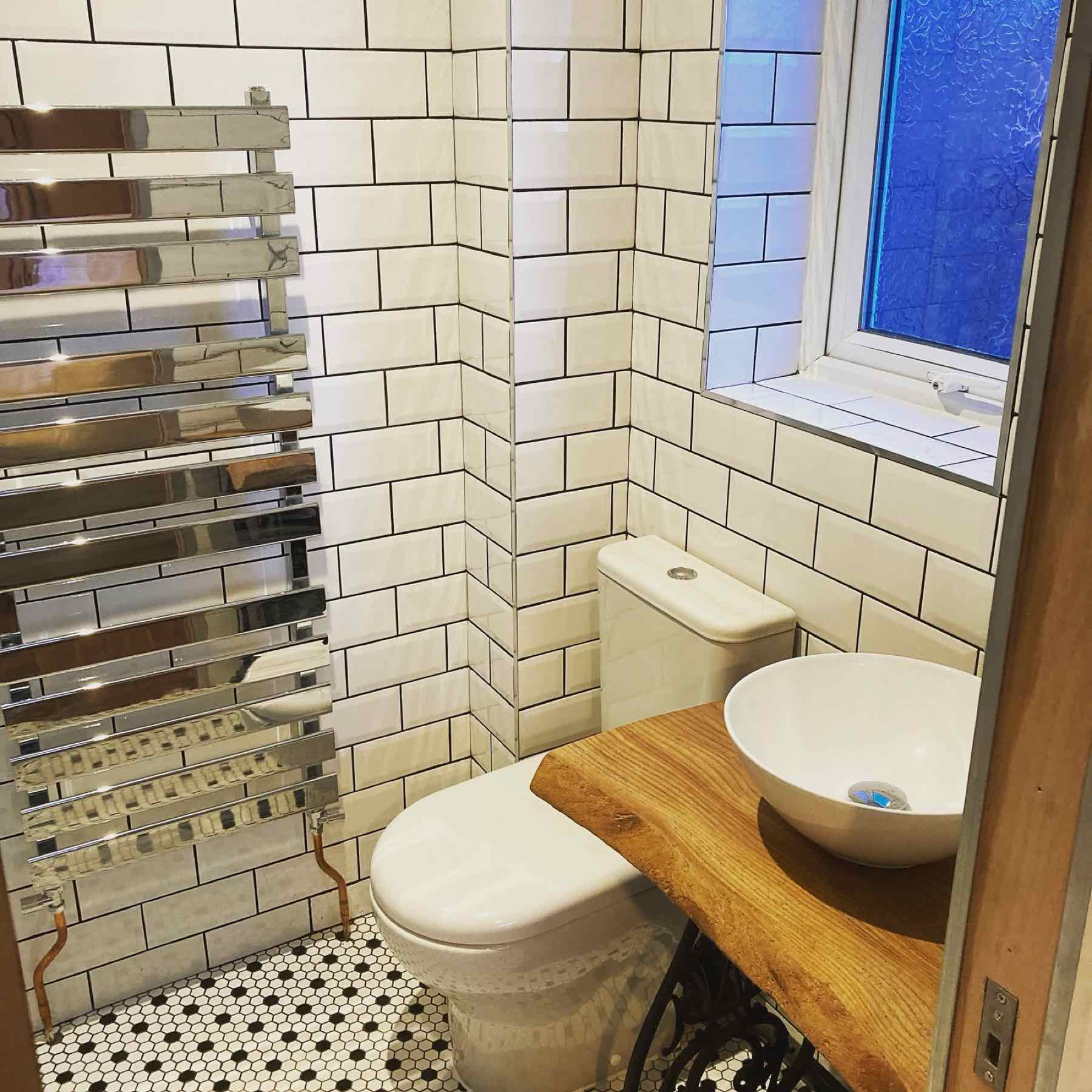
Bathrooms
Complete bathroom installations finished as a single package.
View service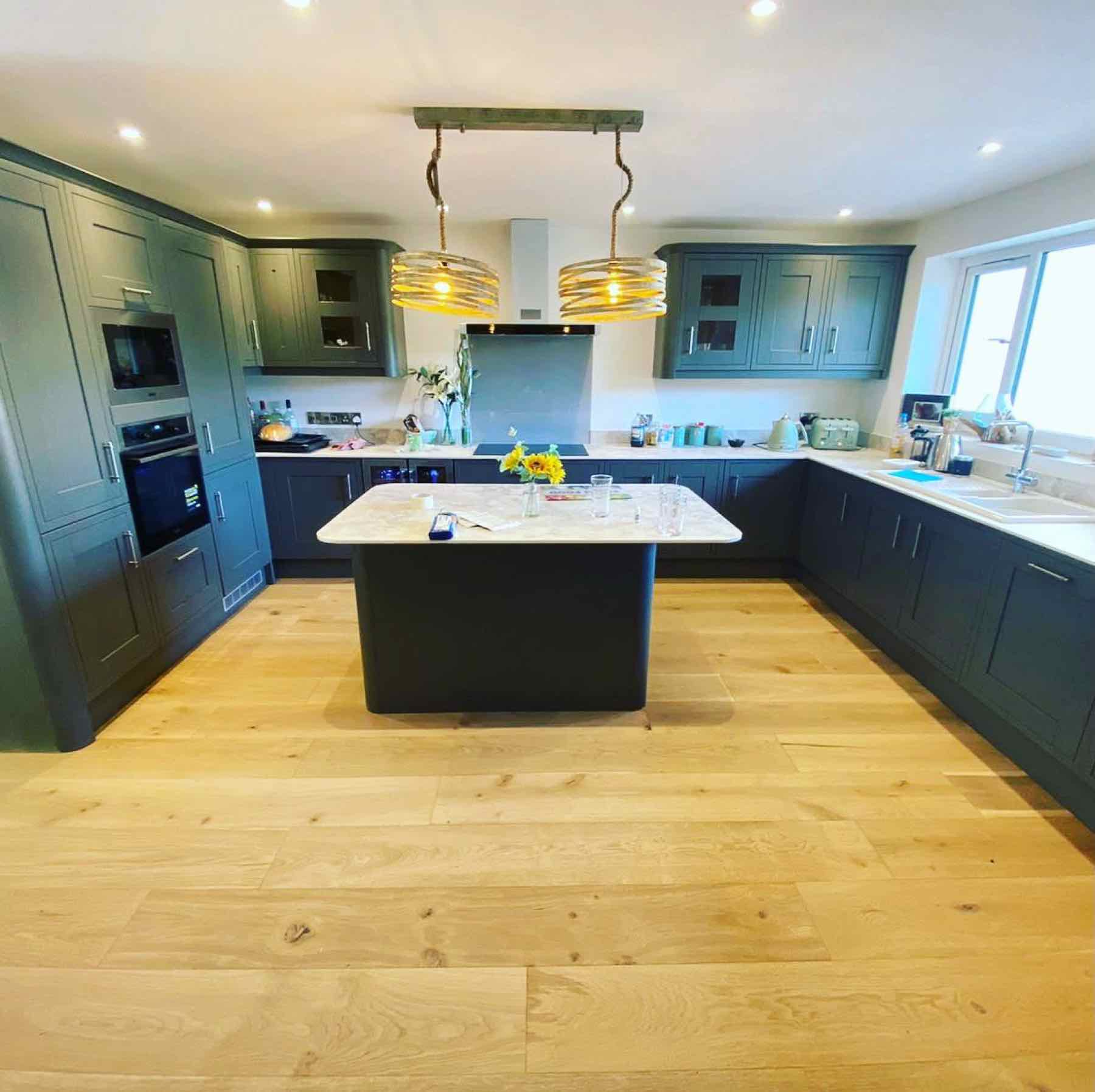
Kitchens
Supply and fit, or fit your own units; tiling, electrics and plumbing covered.
View service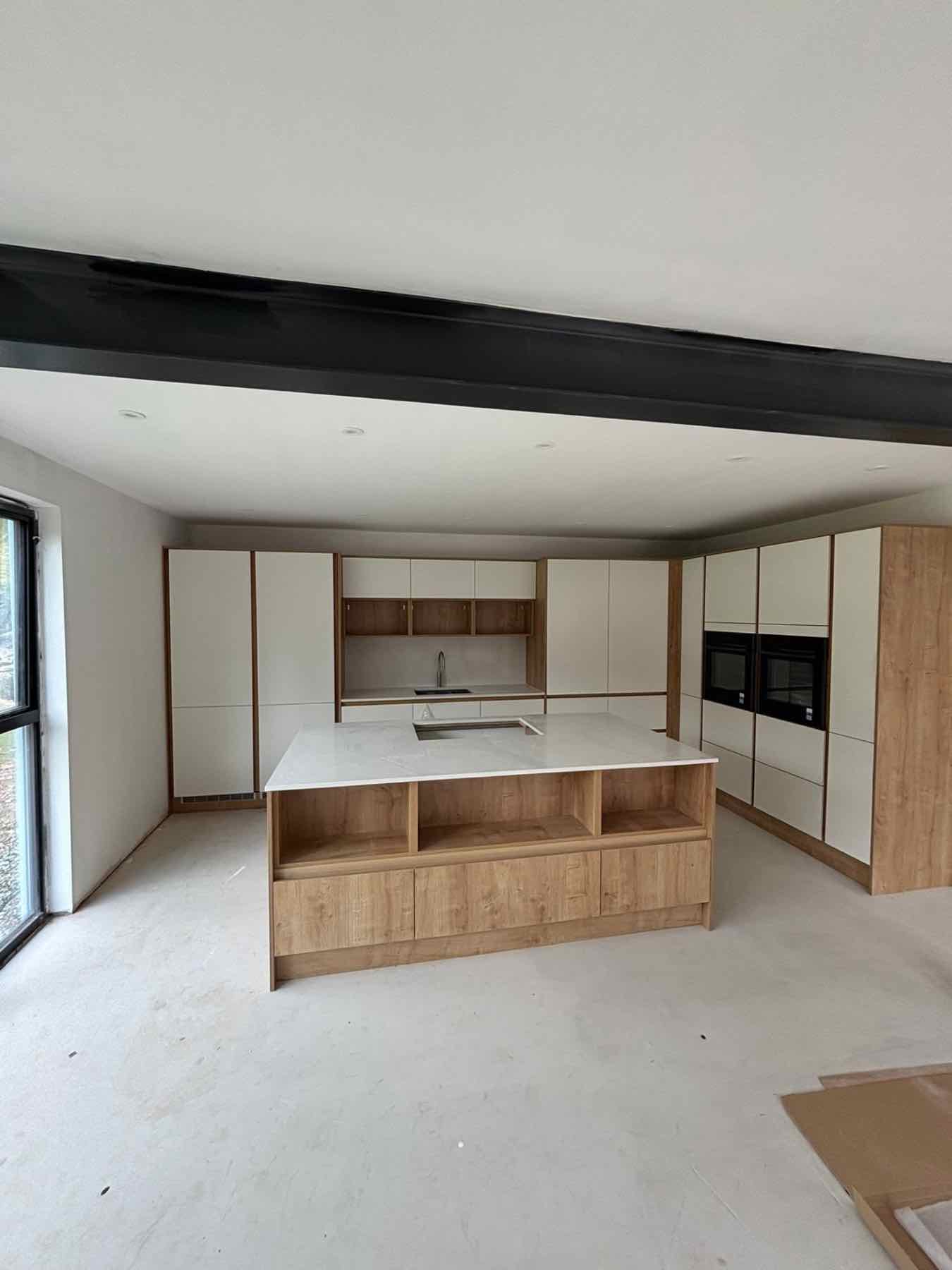
Renovations
Full property refurbishments, including period and listed cottages.
View service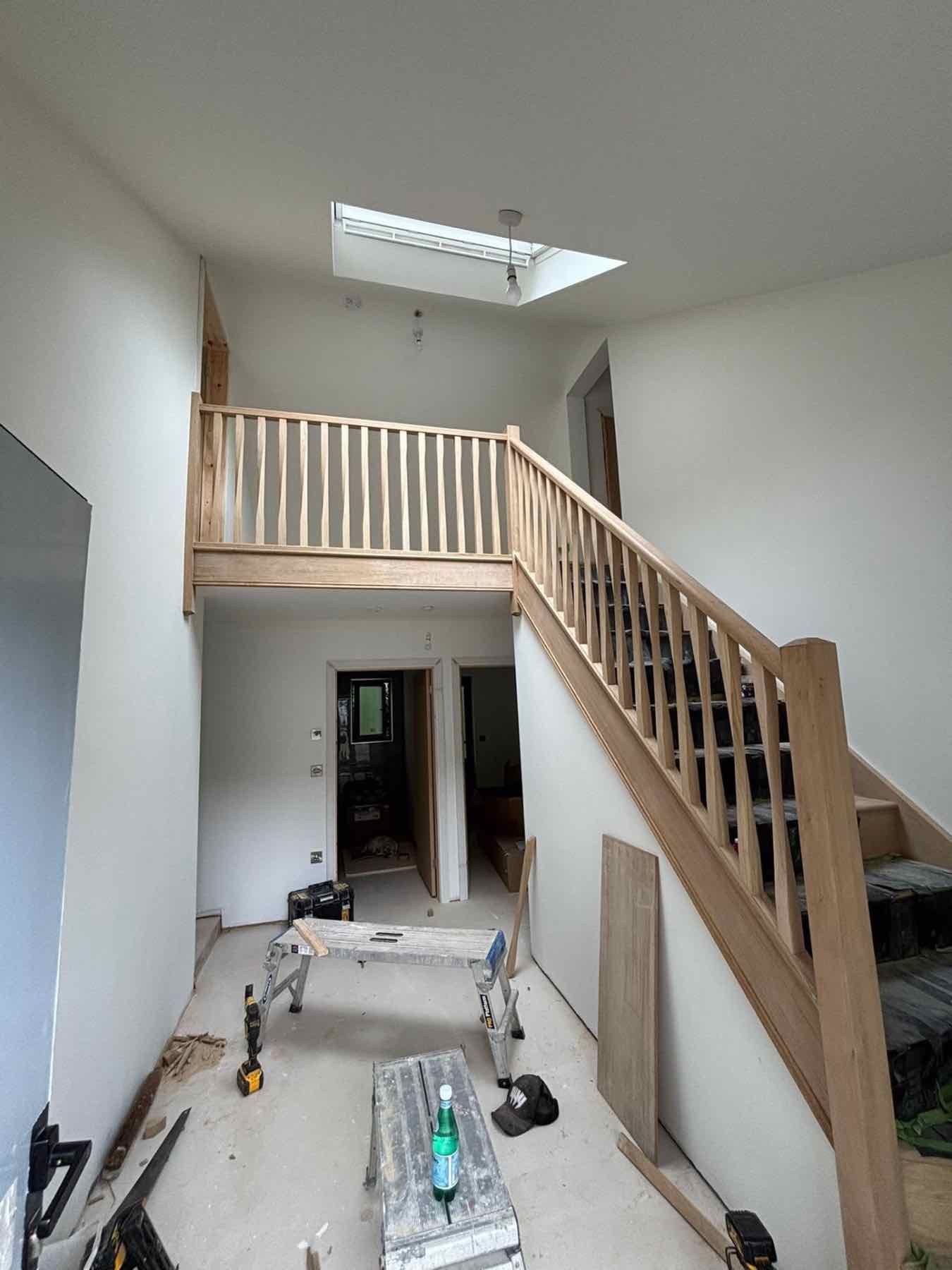
Carpentry
First and second fix carpentry led by a City & Guilds qualified carpenter.
View serviceWhere we work
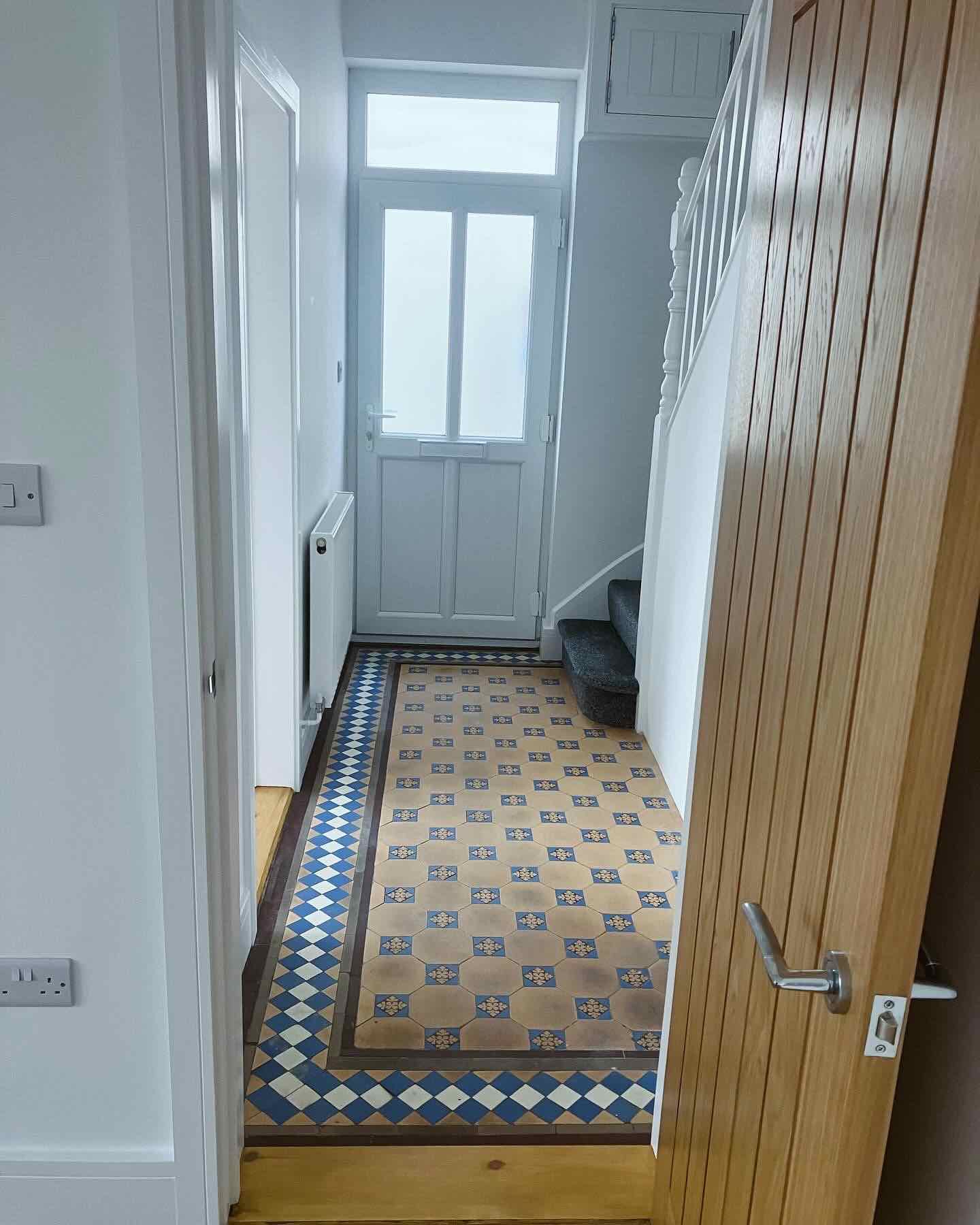
Tiling across North Devon
Next step
Get an honest figure for your tiling project
Tell us about the room, the tile you have in mind and whether it is a wet area, and Adam will give you a free initial estimate, including what the substrate underneath actually needs.
£5m public liability · £10m employers' liability · 12-month no-quibble workmanship guarantee