
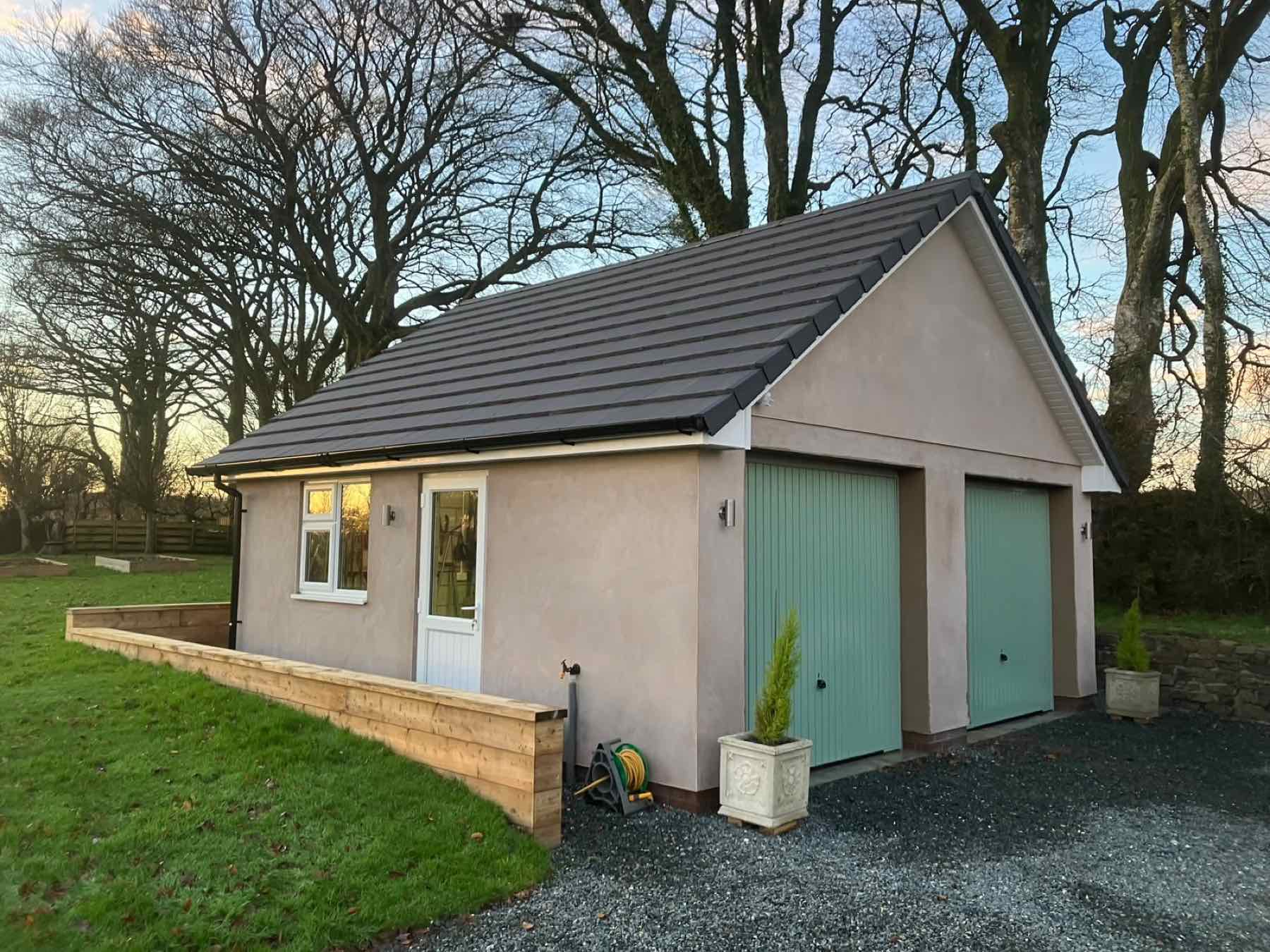
General building · North Devon
Brickwork, blockwork and repairs handled by a qualified bricklayer, not a jack of all trades.
General building covers everything from a garden wall to structural repointing on an old cottage, and it's the trade Adam Harrison qualified in first: Level 2 Trowel Occupations, honed over roughly 20 years including building his own home. That's the standard the rest of the team works to.
Established 2020 · £5m public liability · Qualified bricklayer · 12-month guarantee
- Qualified bricklayerAdam Harrison, Level 2 Trowel Occupations
- ~20 years in the tradeIncluding building his own house from scratch
- £5m public liabilityPlus £10m employers' liability cover
- 12-month guaranteeNo-quibble workmanship cover after completion
- Team of fiveIn-house trades, certified subcontractors where required
Service overview
What general building work covers
General building is the broad trade that underpins almost every other job we do, brickwork and blockwork, structural and garden walls, repairs to existing masonry, repointing, and chimney work. It's the trade Adam trained in first, and it's still the one he's most exacting about on site.
New brickwork and blockwork covers everything from garden and boundary walls through to structural walls on extensions and new builds. Getting this right is about more than a straight, level course; it's about the right mix for the exposure, correct movement joints, proper wall ties and cavity closers, and foundations sized for what's sitting on top of them.
Repair work is a different discipline again. Matching an existing brick bond, colour and mortar mix on a Victorian or older Devon property takes a trained eye, and cutting out and rebuilding a section of failing wall without disturbing what's either side of it takes patience most people underestimate. Repointing falls into the same category, done with the wrong mortar mix, especially on older lime-built properties, it traps moisture and accelerates the very decay it's meant to stop.
Chimney work covers rebuilding chimney stacks, repointing, flaunching and repairs to flashings where a stack meets a roof, one of the most common sources of long-term leaks in older Devon properties. We treat this as a structural job, not a cosmetic one, because a chimney stack failing at height is a genuine safety issue, not just an eyesore.
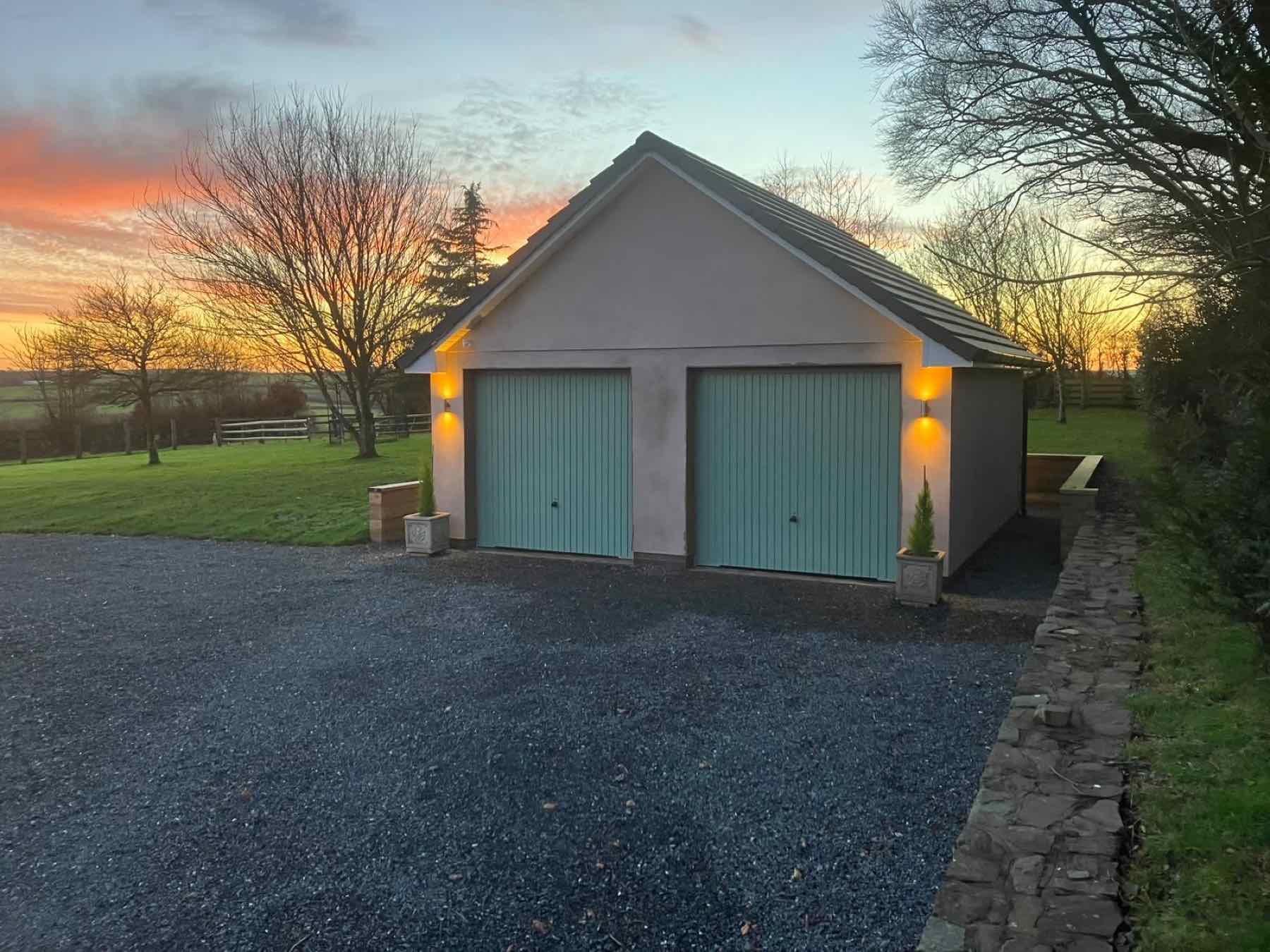
- Who it is forHomeowners needing anything from a new garden wall or a repointing job to structural brickwork repairs, chimney rebuilds, or general building work that doesn't fit neatly into one category.
- When you need itCracking, bulging or leaning walls, spalling brickwork, crumbling mortar joints and damaged chimney stacks all get worse with time and weather, the earlier they're assessed, the smaller the eventual repair.
- Why a qualified bricklayer mattersBrickwork looks simple until it's done badly, uneven coursing, the wrong mortar mix for an old property, or a wall built without adequate foundations all show up as expensive problems within a few years rather than decades.
What it costs to get wrong
What goes wrong with general building done badly
Brickwork and masonry problems are often slow to appear and expensive once they do, because by the time a crack or a leak shows up, the underlying cause has usually been at work for a while.
Wrong mortar mix on old buildings
Many older Devon properties were built with lime mortar, which is softer and more breathable than modern cement mixes. Repointing them with a hard cement mortar traps moisture in the brick or stone, and it's the masonry, not the mortar, that ends up failing.
Walls built without adequate foundations
Even a garden wall needs a foundation sized for its height and the ground it's built on. Skimping here shows up as leaning, cracking or a wall that simply falls in the first hard winter.
Cracks dismissed as cosmetic
Not every crack is structural, but some are, subsidence, thermal movement, or a failing lintel can all show up as a crack in brickwork. Filling it without understanding the cause just hides the problem until it's bigger.
Chimney work left too long
A chimney stack with failing flaunching or perished pointing lets water into the stack and, eventually, into the roof structure and the room below. Left long enough, a stack can become unstable at height, which is a genuine safety risk.
Patch repairs that don't match
A repair using the wrong brick colour, size or bond pattern stands out for the life of the building, and a repair using a mismatched mortar can accelerate decay in the surrounding original brickwork.
How the job runs
From first visit to final snag
- 01
Site visit and free estimate
We assess the wall, chimney or brickwork in question in person and give you a free, honest ballpark figure with no obligation.
- 02
Detailed quote
A full itemised quote is produced for a fee, refunded in full if you proceed, setting out materials, mortar mix and method.
- 03
Diagnosis on repair work
On repairs and repointing, we identify the actual cause of the damage, movement, moisture or age, before pricing the fix, rather than just patching the symptom.
- 04
Brickwork, blockwork or repointing
Work carried out to match existing bond, colour and mortar mix where relevant, or built to current standards on new structural or garden walls.
- 05
Snagging and handover
We walk the finished work with you and hand over with our 12-month no-quibble workmanship guarantee.
Why us
What you get by building with us
A qualified bricklayer at the helm
Adam holds Level 2 Trowel Occupations qualifications and around 20 years in the trade, including building his own house, the standard the rest of the team is held to.
Old and new brickwork both covered
From matching lime mortar and reclaimed brick on an older Devon property to modern cavity wall construction on an extension, the right approach is used for the building.
Causes diagnosed, not just symptoms patched
Cracks, damp and failing pointing are assessed for their underlying cause before we price a repair, so the fix actually lasts.
Chimney and height work taken seriously
Chimney stacks are treated as structural work with safety implications, not a cosmetic repaint of the pointing.
Backed by a proper guarantee
A 12-month no-quibble workmanship guarantee and £5m public liability cover mean the work is protected after we leave.
One team, consistent standards
Our team of five works together every week, so a garden wall gets the same attention to level, coursing and mortar as a structural wall on a new build.
In detail
General building detail: brickwork, repairs and chimneys
General building is a broad trade, and the right method changes depending on the age of the building, the exposure of the site, and whether you're building new or repairing existing masonry.
New brickwork and blockwork
New walls, whether structural cavity walls on an extension or a freestanding garden wall, start with a foundation sized for the height and loading involved and the ground conditions on site. Cavity walls need correctly spaced wall ties, insulation fitted without gaps or cold bridges, and cavity trays and closers detailed properly around every opening.
Mortar mix and brick or block choice are matched to the exposure of the site: coastal and exposed inland locations across North Devon need a harder-wearing mix and careful attention to movement joints than a sheltered garden wall inland. Coursing and bonding are set out to match existing brickwork where a new wall ties into an old one, so the join doesn't stand out.
Repairing and matching existing brickwork
Repair work on older properties starts with understanding what the building was built with. Many older Devon cottages and farmhouses use lime mortar and local stone or handmade brick, and repairing them with modern cement-based materials traps moisture and causes the surrounding original fabric to fail faster than if it had been left alone.
Matching an existing wall means sourcing brick or stone of the right size, colour and texture, sometimes reclaimed, sometimes specially matched, and pointing with a mortar mix and finish that matches the original coursing, not just the colour. Cutting out a failed section cleanly without disturbing the surrounding structure takes a steady hand and patience.
Repointing
Repointing isn't just cosmetic, it's what keeps water out of a wall. Perished, cracked or missing pointing lets moisture into the wall build-up, which on older solid-wall properties can lead to damp and, over time, to the masonry itself breaking down.
The mortar mix has to suit the building: lime mortar for older solid walls that need to breathe, cement-based mixes for modern cavity construction. Getting this wrong in either direction, too hard on an old wall, too soft on a modern one, causes problems rather than solving them.
Chimney stacks and flaunching
Chimney stacks take the worst of the weather in an exposed position, and repointing, flaunching (the mortar bed around chimney pots) and brick repairs need to be redone periodically as they weather. We inspect the whole stack, not just the visible pointing, because problems often start with the flaunching or the flashing where the stack meets the roof.
Where a stack has moved, cracked significantly, or is no longer structurally sound at height, a partial or full rebuild is the safer option rather than a repair that won't hold. This is scaffolded and carried out properly, with lead flashings renewed at the same time if they've perished.
Structural cracks and movement
Not every crack in a wall is serious, but distinguishing a hairline settlement crack from one caused by ongoing movement or a failing lintel matters before any repair is priced. Where movement is ongoing, we'll say so honestly rather than filling a crack that's going to reopen within a year.
Where a structural engineer's input is needed, on significant cracking, subsidence concerns, or before removing a wall, we bring one in rather than guessing, the same as we would on a new build or extension.
Questions
Straight answers before you commit
If your question isn't here, ring Adam directly; you'll get the same straight answer on the phone.
Can you match brickwork on an older Devon property?
Yes. Matching existing bond, brick colour and mortar mix, including lime mortar on older solid-wall buildings, is a large part of our repair work, sourcing reclaimed or closely matched brick where needed.
Do you build garden and boundary walls?
Yes, built with foundations sized for the height and ground conditions, so the wall stays straight and stable rather than leaning within a few winters.
Is a crack in my wall serious?
It depends. Some cracking is cosmetic settlement, but ongoing movement or a failing lintel can also show up as a crack. We assess the cause before recommending a repair, and bring in a structural engineer where the crack warrants it.
Why does the mortar mix matter for repointing?
Older solid-wall properties are often built with lime mortar, which needs to stay breathable. Repointing with hard cement mortar traps moisture and can accelerate decay in the surrounding brick or stone.
Do you rebuild chimney stacks?
Yes, including full or partial rebuilds where a stack has moved or is no longer sound at height, along with repointing, flaunching and flashing repairs on stacks that just need maintenance.
How do I know if my chimney needs attention?
Signs include damp patches near a chimney breast, staining on ceilings below the roofline, visibly perished pointing, or mortar debris in the fireplace or gutter. Left too long, a stack can become unsafe at height.
Is Adam actually a qualified bricklayer?
Yes, Adam holds a Level 2 Trowel Occupations qualification and has around 20 years in the trade, including building his own house from the ground up.
Do you use subcontractors for brickwork?
No, brickwork, blockwork and general building are carried out in-house by our own team. Certified subcontractors are only brought in where the law requires it, such as electrics and gas work.
How much does general building work cost?
It varies widely by scope, from a small repointing job to a structural rebuild. The initial estimate is free; a detailed itemised quote carries a fee, refunded in full if you proceed.
Which areas do you cover for general building?
We're based at Langtree near Great Torrington and cover North Devon, including Bideford, Barnstaple, Holsworthy, Hatherleigh, Winkleigh and Braunton.
Related work
Other trades we cover in-house
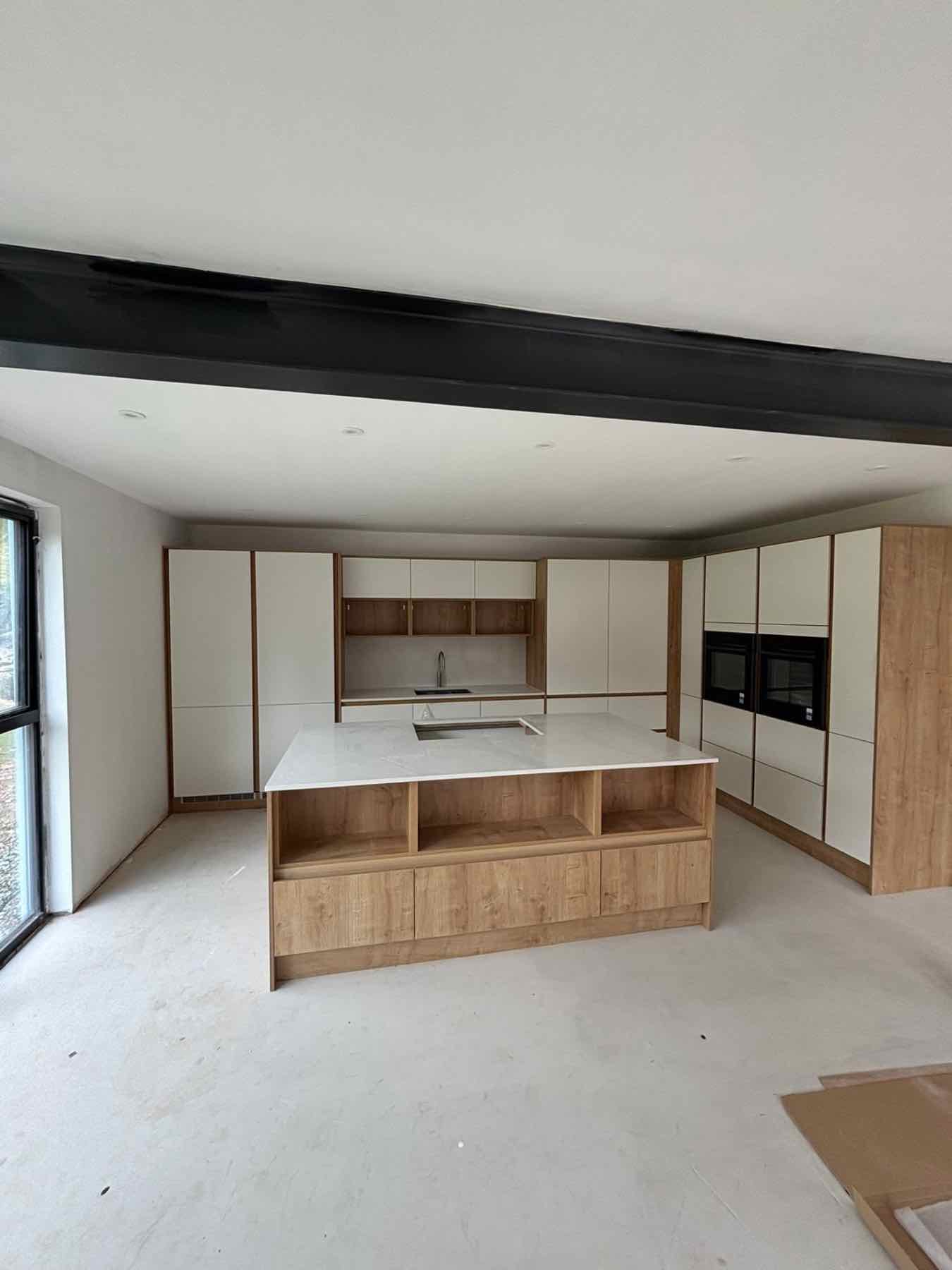
Renovations
Full property refurbishments, including period and listed cottages.
View service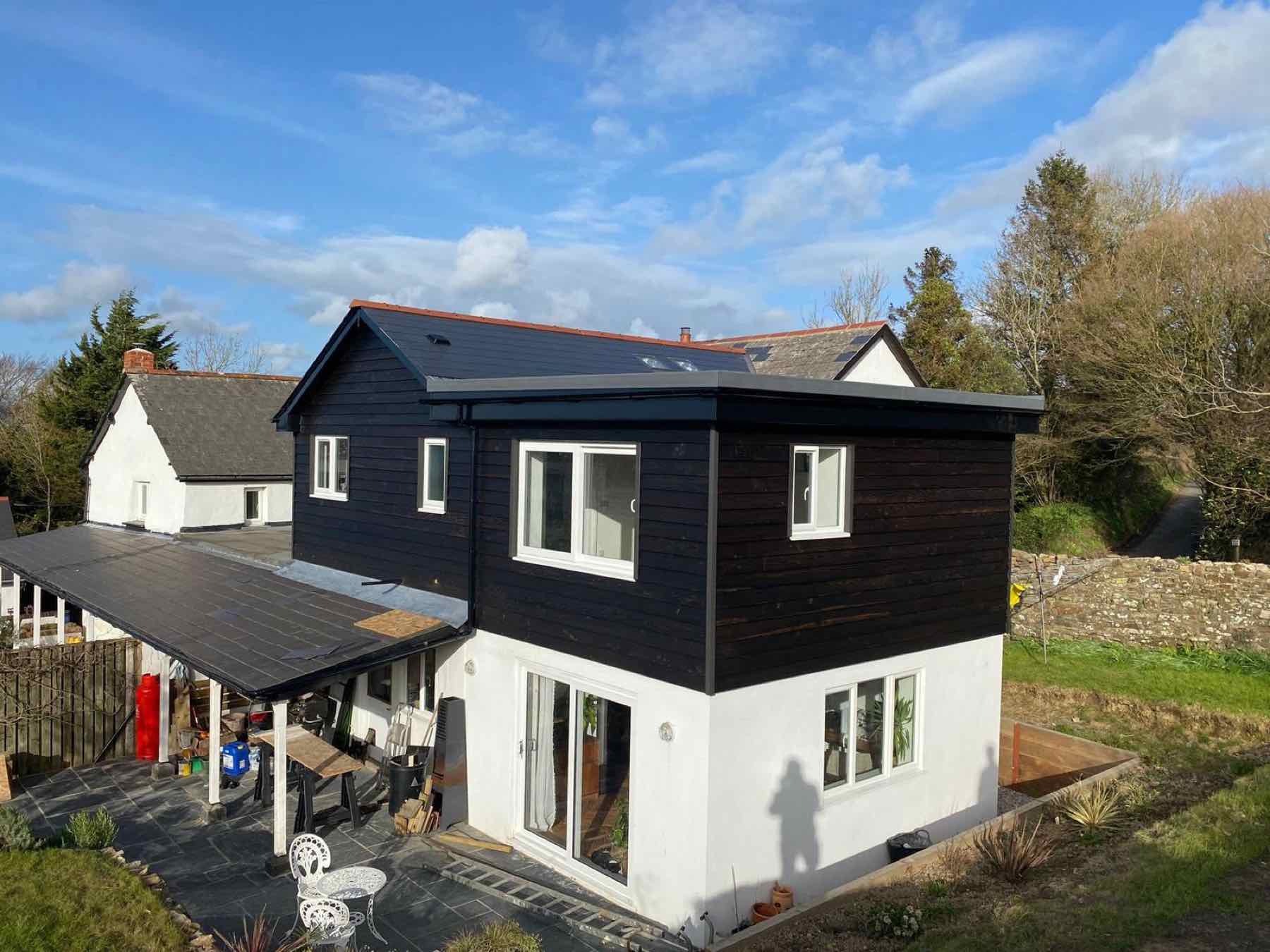
Extensions
Single and two-storey extensions, structural work included.
View service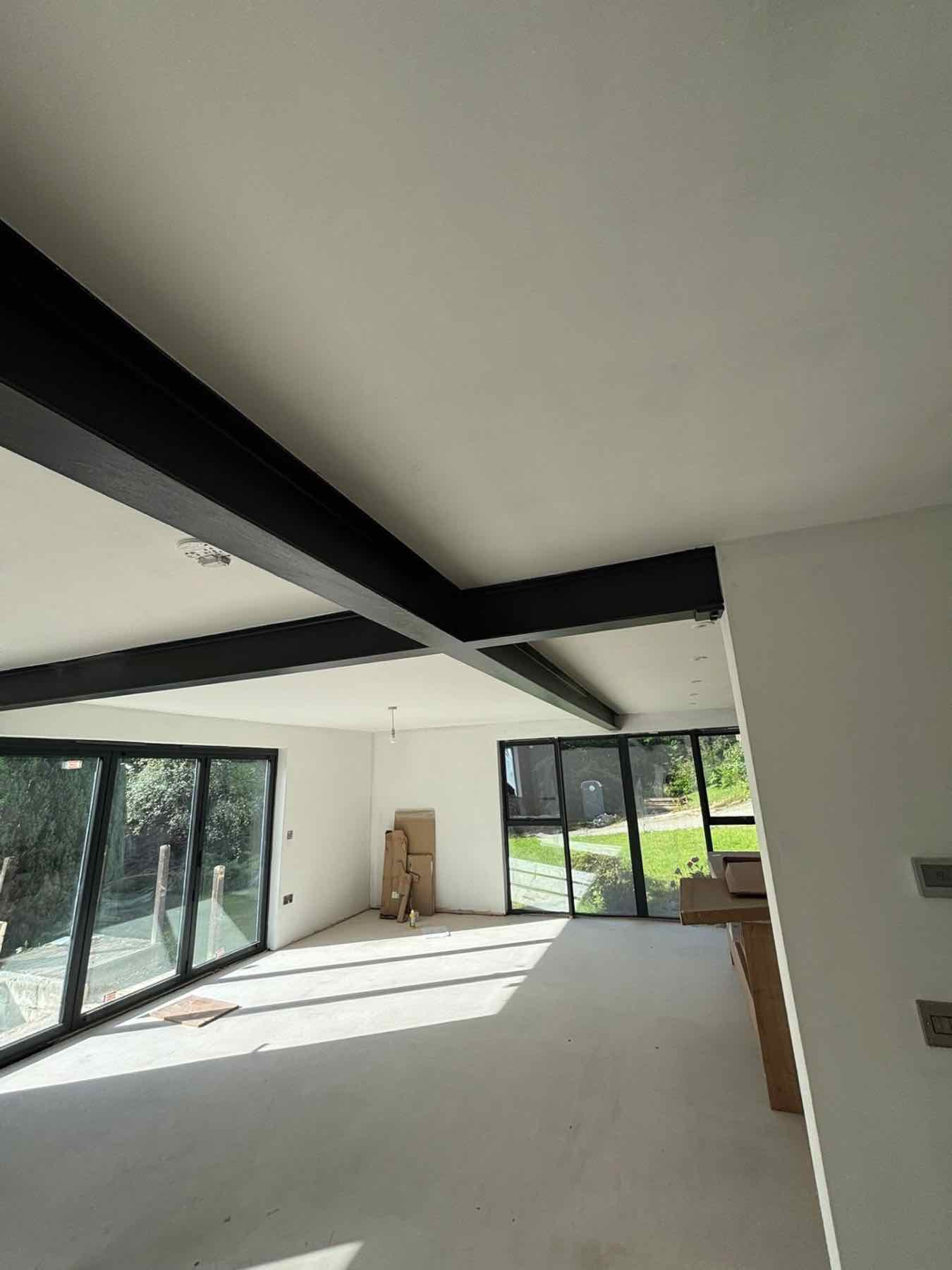
Structural Alterations
Wall removals and openings, designed with our structural engineer.
View service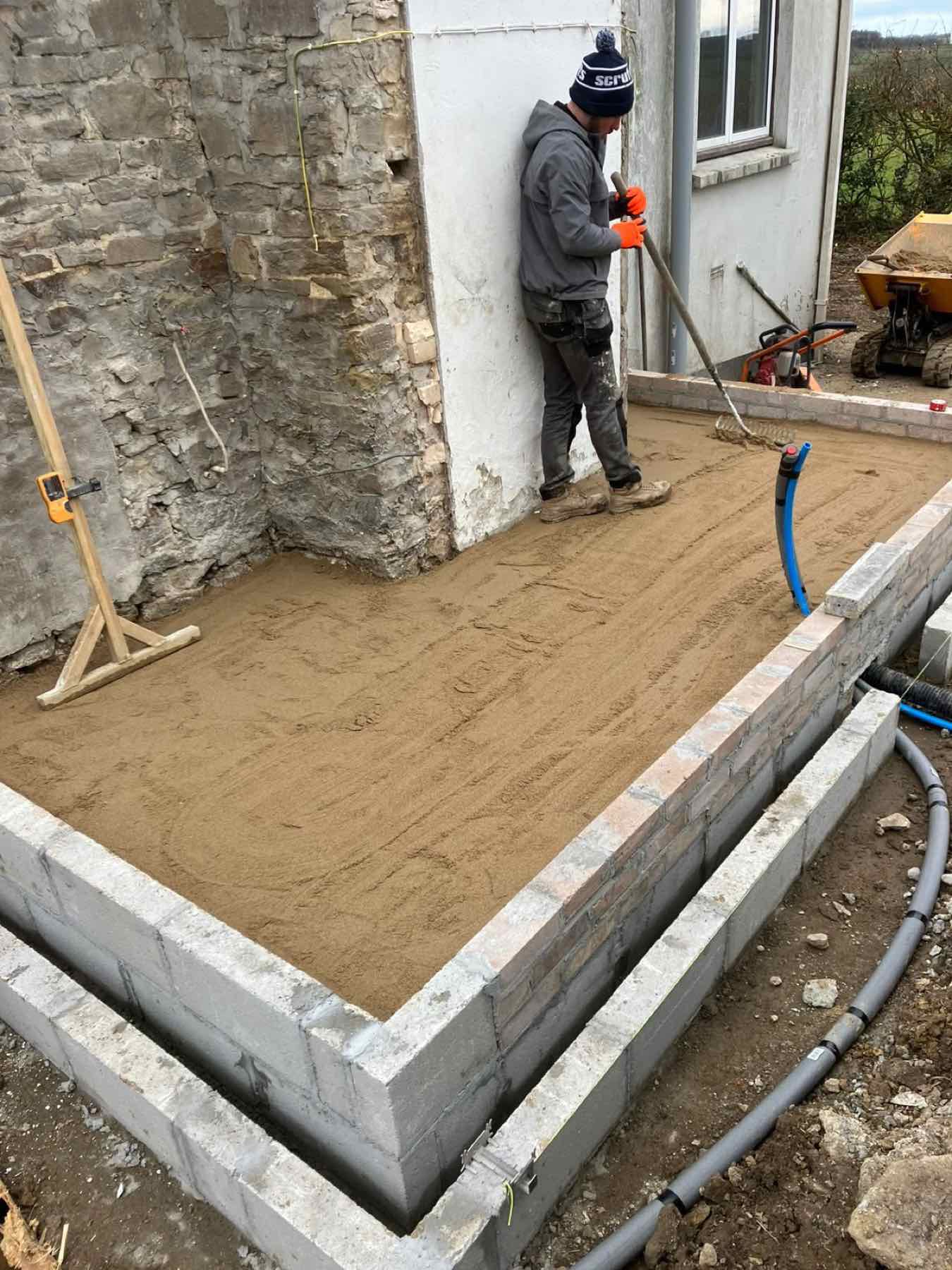
Groundworks & Foundations
Dig, drainage and foundations set out properly from day one.
View serviceWhere we work
General Building across North Devon
Next step
Get a free estimate for your brickwork or repair job
Whether it's a garden wall, a repointing job, or a chimney that needs attention, tell us what's going on and Adam will give you an honest, no-obligation estimate.
£5m public liability · £10m employers' liability · 12-month no-quibble workmanship guarantee