
Groundworks and foundations · North Devon
Get the ground right first, and everything you build on it stays right for good.
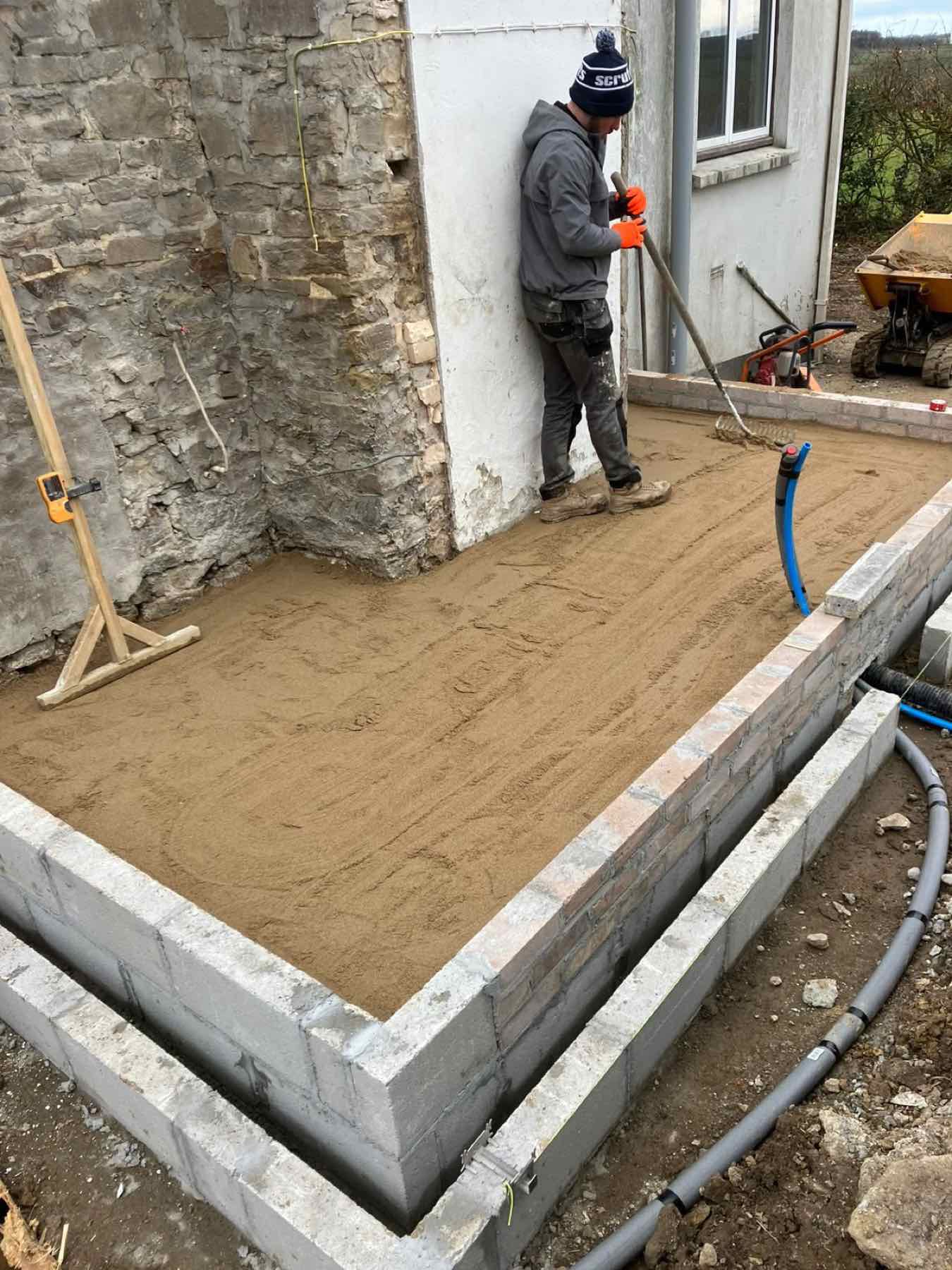
Every problem we are ever called out to fix upstairs started downstairs. Adam Harrison sets out and digs every job himself using his own machine, foundations are designed to the ground conditions rather than habit, and drainage is planned before the first spade goes in, not worked out once a trench is already open.
Established 2020 · Owner-operated digger · £5m public liability · Engineer-designed foundations
- ~20 years in the tradeAdam is a qualified bricklayer, Level 2 Trowel Occupations
- Owns his own diggerNo waiting on hired plant or a subcontracted operator
- £5m public liabilityPlus £10m employers' liability cover
- Engineer-designed footingsFoundations sized to your ground, not guessed at
- 12-month guaranteeNo-quibble workmanship cover on every job
Service overview
What groundworks and foundations actually cover
Groundworks is everything that happens before a wall goes up: setting out, excavation, foundations, drainage and the sub-base that the rest of the build sits on. It is the least visible part of any project and the part with the least tolerance for a mistake.
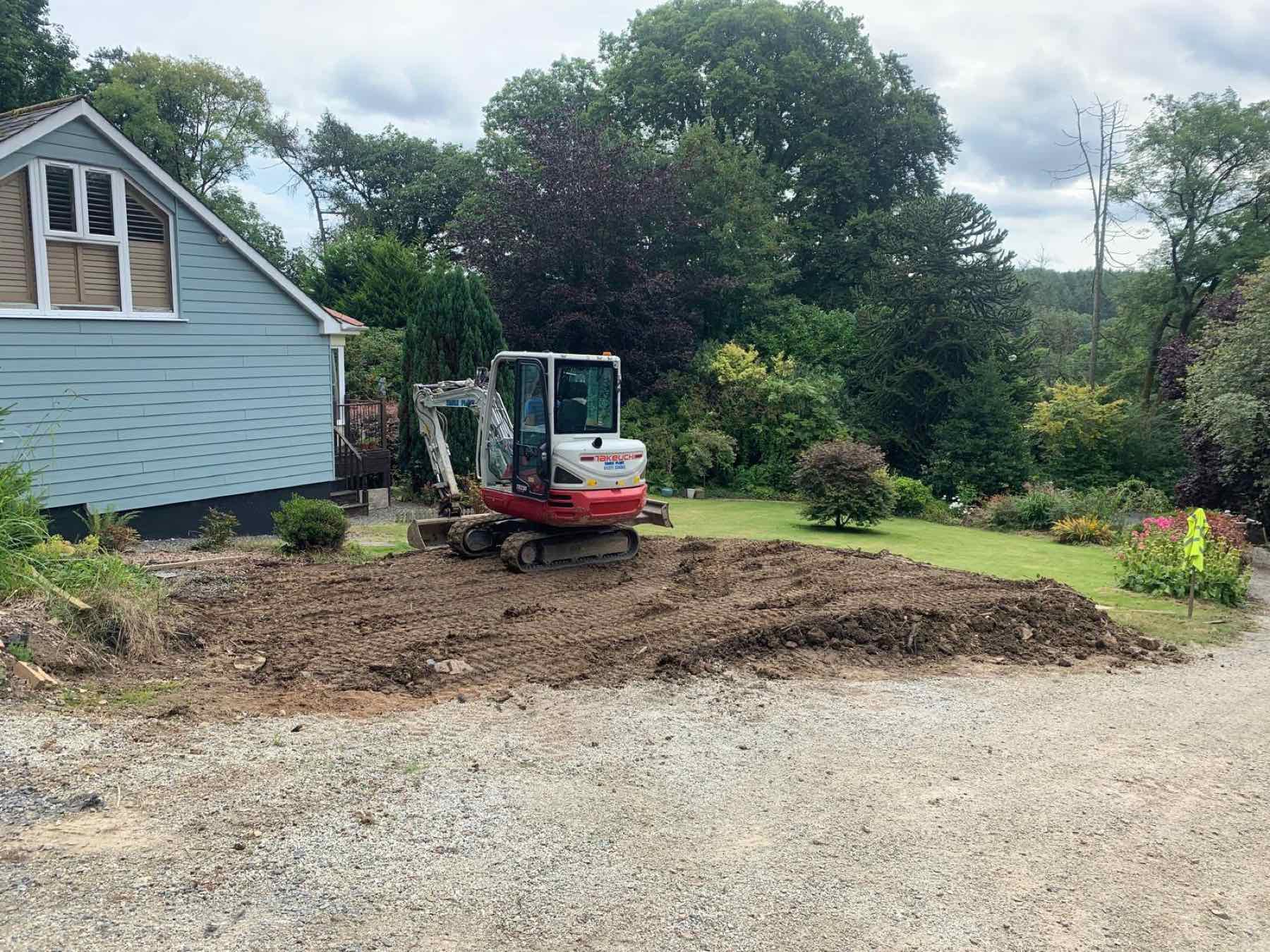
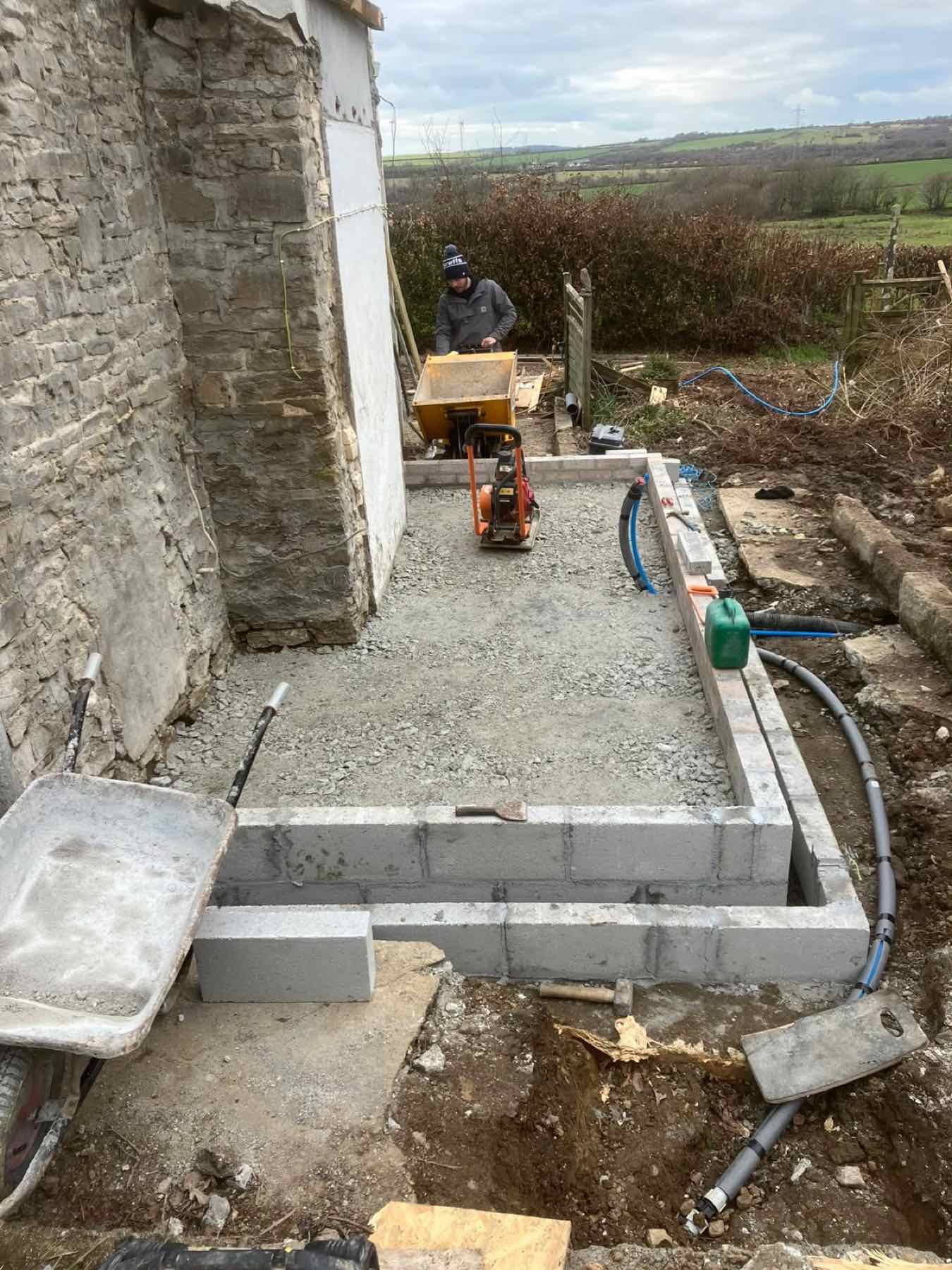
We carry out groundworks for new builds, extensions, garages, outbuildings and standalone drainage projects across North Devon. That covers setting out to the drawings, excavating trial holes and footings, forming strip, trench fill or piled foundations, laying oversite and sub-base, and installing foul and surface water drainage: treatment plants, soakaways, land drains and connections to mains where it is available.
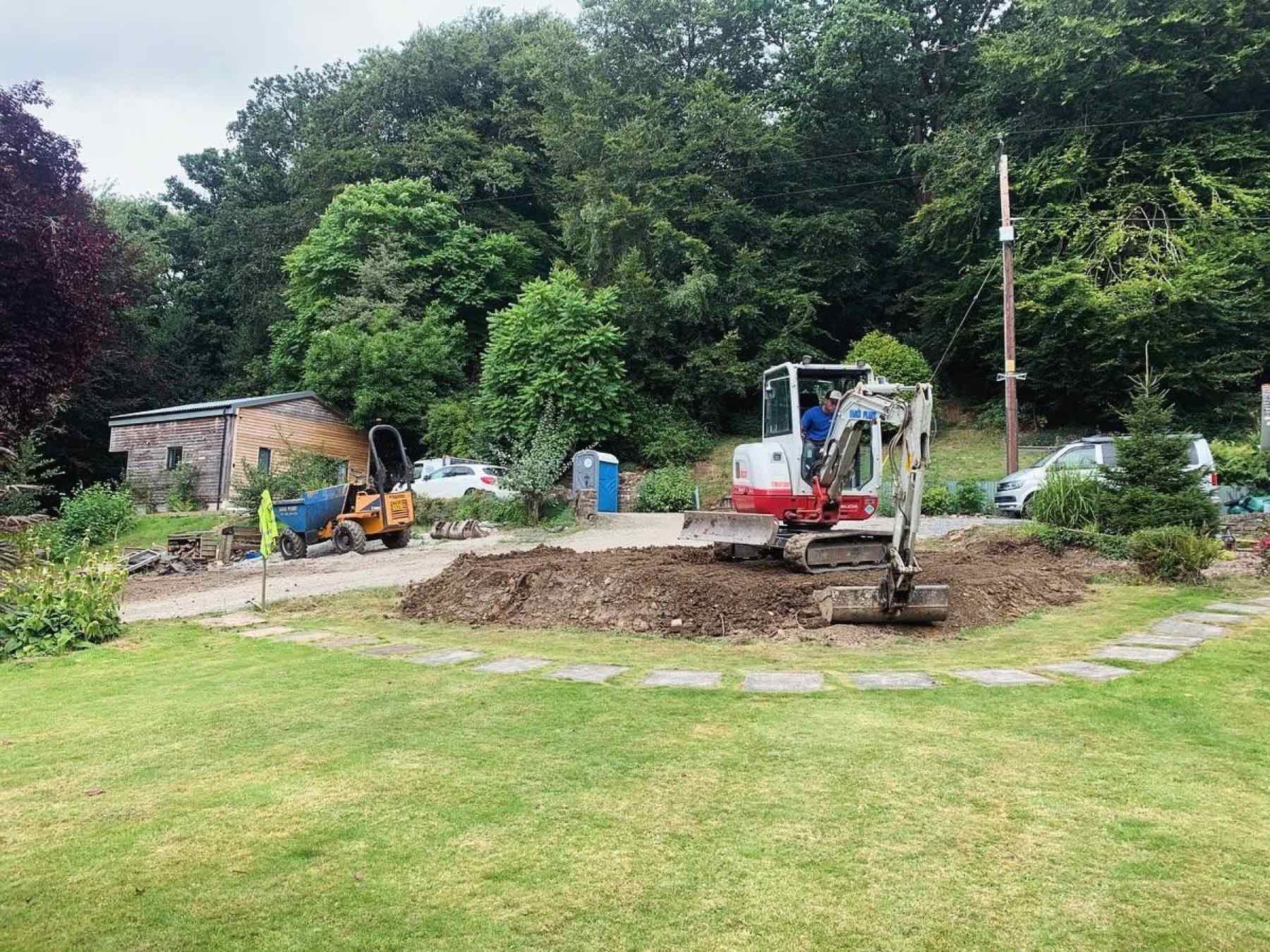
Adam owns his own digger and operates it himself, which matters more than it sounds. On a hired-in job, the person digging your foundations often has no stake in what happens to the building above them. Here, the same person who dug the trench is project-managing the build that follows, so trenches are dug to the depth the design actually needs, not to whatever looked reasonable that morning.
Where a structural engineer's input is required, unusual ground, made-up ground, sloping sites, proximity to trees or existing structures, we bring in an established engineer to size the foundation properly before we dig, rather than improvising once the trench is open and the digger is on the meter.
- Who it is forAnyone building a new home, extension, garage or outbuilding in North Devon, plus homeowners with a standalone drainage problem: a failing soakaway, an ageing septic tank, or land that will not shift surface water.
- When you need itBefore anything else. Groundworks decisions made at estimate stage (foundation type, drainage strategy, levels) are cheap to change on paper and expensive to change once concrete is in the ground.
- Why it needs doing properlyFoundations and drainage are inspected by building control and are almost impossible to correct without digging the site back up. There is no cosmetic fix for a footing at the wrong depth or a drainage fall that runs the wrong way.
What it costs to get wrong
What goes wrong when groundworks are rushed
Groundworks failures rarely show up the week they happen. They show up as cracked walls two years later, a soakaway that floods every winter, or a building control inspector refusing to sign off a stage; all of it more expensive to fix than it would have been to do properly the first time.
Foundations sized by guesswork
Ground in North Devon varies from solid rock to soft clay across a single plot. A footing depth that works next door can be badly wrong on your site. Trial holes and an engineer's assessment catch this before it costs you a rebuild.
Drainage falls that do not work
A foul or surface water run laid without the correct fall backs up, smells, or floods in heavy rain. Once it is buried under a driveway or a patio, correcting it means digging the finished surface back up.
No allowance for what the ground throws up
Rock, old foundations, high water tables and buried services are common on North Devon plots. A price with no contingency for what the dig reveals turns into an argument the day the digger hits something unexpected.
Treatment plants and soakaways sited wrong
Percolation tests, distance from buildings and boundaries, and access for future emptying all matter. Get the location wrong and you are looking at a system that fails building control or fails in practice a few years in.
Levels not checked against the whole build
Setting out a slab or foundation at the wrong level affects every trade that follows: door thresholds, drainage falls, damp proof course height. A five-minute check with a level at this stage saves weeks of correction later.
How the job runs
From first visit to final snag
- 01
Site visit and free estimate
We walk the site, check access for machinery, look at existing drainage and services, and give you an honest ballpark figure with no obligation.
- 02
Detailed quote and ground investigation
A full itemised quote is produced for a fee, refunded in full if you go ahead. Trial holes and, where needed, engineer input confirm foundation type and depth before pricing is finalised.
- 03
Setting out
The building is set out precisely to the drawings and checked against boundaries, levels and any planning conditions before excavation starts.
- 04
Excavation and foundations
Adam digs the job on his own machine, foundations are formed to the engineer's design, and building control is booked to inspect before concrete goes in.
- 05
Drainage and services
Foul and surface water drainage is laid to correct falls, with treatment plants, soakaways or mains connections installed by certified subcontractors where required.
- 06
Sign-off and handover
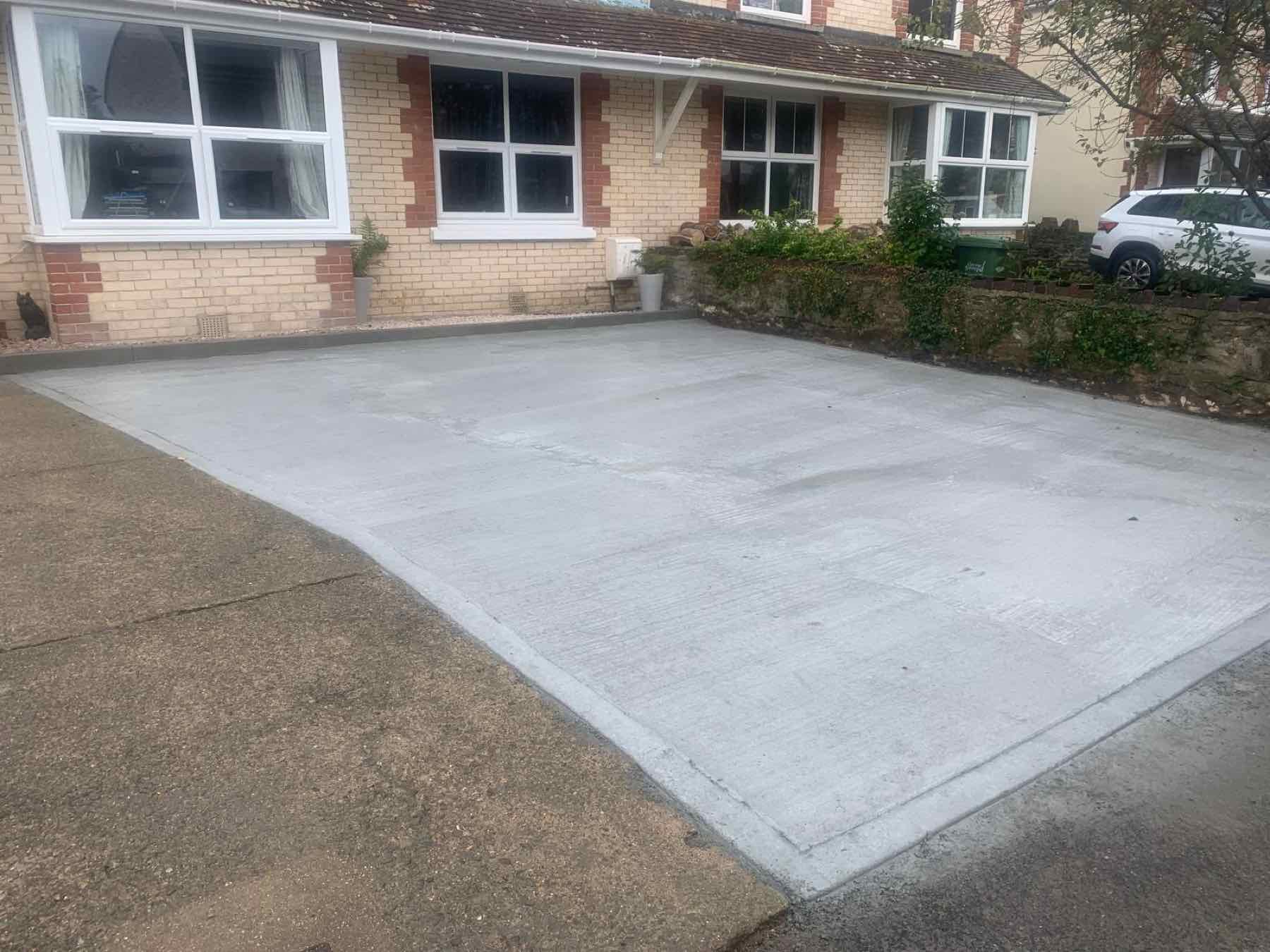
Oversite and sub-base are laid ready for the build above, inspections are signed off, and you are handed a 12-month no-quibble workmanship guarantee.
Why us
What you get by building with us
One operator, full accountability
Adam digs the trenches himself. There is no gap between what the digger operator understood and what the building actually needs.
Foundations matched to your ground
Trial holes and engineer input decide the foundation type before pricing, so you are not paying for over-engineering or gambling on under-engineering.
Drainage designed to work, not just pass
Treatment plants, soakaways and land drains are positioned and sized to cope with your site conditions, not just squeezed in wherever is easiest to dig.
Costs you can plan around
A stated contingency covers what a dig can reasonably reveal: rock, old foundations, unexpected water, so a surprise is a conversation, not a shock invoice.
Certified specialists where it matters
Mains drainage connections and any electrical work near the dig are handled by certified subcontractors, coordinated by us rather than left for you to arrange.
Groundworks that sets up the whole build
Because the same firm carries out the groundworks and the build above it, levels, damp proofing and drainage falls are planned together from day one.
In detail
Groundworks detail: foundations, drainage and ground conditions
North Devon ground varies enormously over short distances, clay near Torrington, shallow rock inland, high water tables near river valleys, and exposed, wind-loaded coastal plots towards Braunton and Instow. Here is how those conditions shape the work.
Choosing the right foundation type
Traditional strip foundations suit firm, consistent ground and moderate loads. Trench fill speeds up the dig and reduces the risk of trench sides collapsing on deeper excavations, and is common where services or ground conditions make an open strip impractical. Wide strip foundations spread load over softer ground, and piled foundations with a ground beam are used where the ground will not reliably support a conventional footing at a sensible depth.
The choice is never made on price alone. Trial holes tell us what is actually under the topsoil, and on anything beyond straightforward ground we bring in an established structural engineer to confirm depth, width and reinforcement before we commit to a design.
Sloping and restricted sites
A sloping plot usually means stepped foundations, following the fall of the land in engineer-specified steps rather than one deep, expensive trench. Retaining structures may be needed where a level platform has to be cut into a slope, and these are designed to hold both the ground behind them and any surcharge load from the building or driveway above.
Restricted access is common on rural North Devon plots: narrow lanes, tight gateways, overhead cables. Adam assesses access and machine size at estimate stage so the right equipment turns up on day one, rather than discovering a digger will not fit through the gate.
Drainage: mains, treatment plants and soakaways
Where mains foul drainage is available, we connect to it with the correct falls, inspection chambers and depth of cover. Plenty of rural plots across Holsworthy, Winkleigh and Hatherleigh have no mains connection, in which case a package treatment plant with a drainage field is designed and sized to the property and the ground's percolation rate.
Surface water is handled separately: soakaways sized to storm return periods, land drains where the site holds water after rain, and attenuation where a council or drainage board requires flow to be controlled before it leaves the site. Getting the surface water strategy agreed before the dig avoids a flooded site during the build itself.
Ground investigation and what a dig can reveal
Trial holes at the estimate stage give an early read on ground conditions, but a full excavation sometimes reveals what a trial hole missed: old foundations from a previous structure, buried services, unexpected rock, or a higher water table than expected. That is exactly what the contingency in your estimate is there to cover.
When ground conditions change what was priced, we stop, explain what has been found, and price the change before continuing, not after the invoice arrives.
Building control and inspections
Foundations, drainage and damp proof course level are all inspected stages under building control. We book inspections in line with the programme so concrete is not poured, and trenches are not backfilled, before sign-off, avoiding the far more costly scenario of digging back up to prove compliance after the fact.
On notifiable projects such as new dwellings, groundworks inspections form part of the wider building control application, whether that runs through a private building control company or your local council.
Standalone drainage and repair work
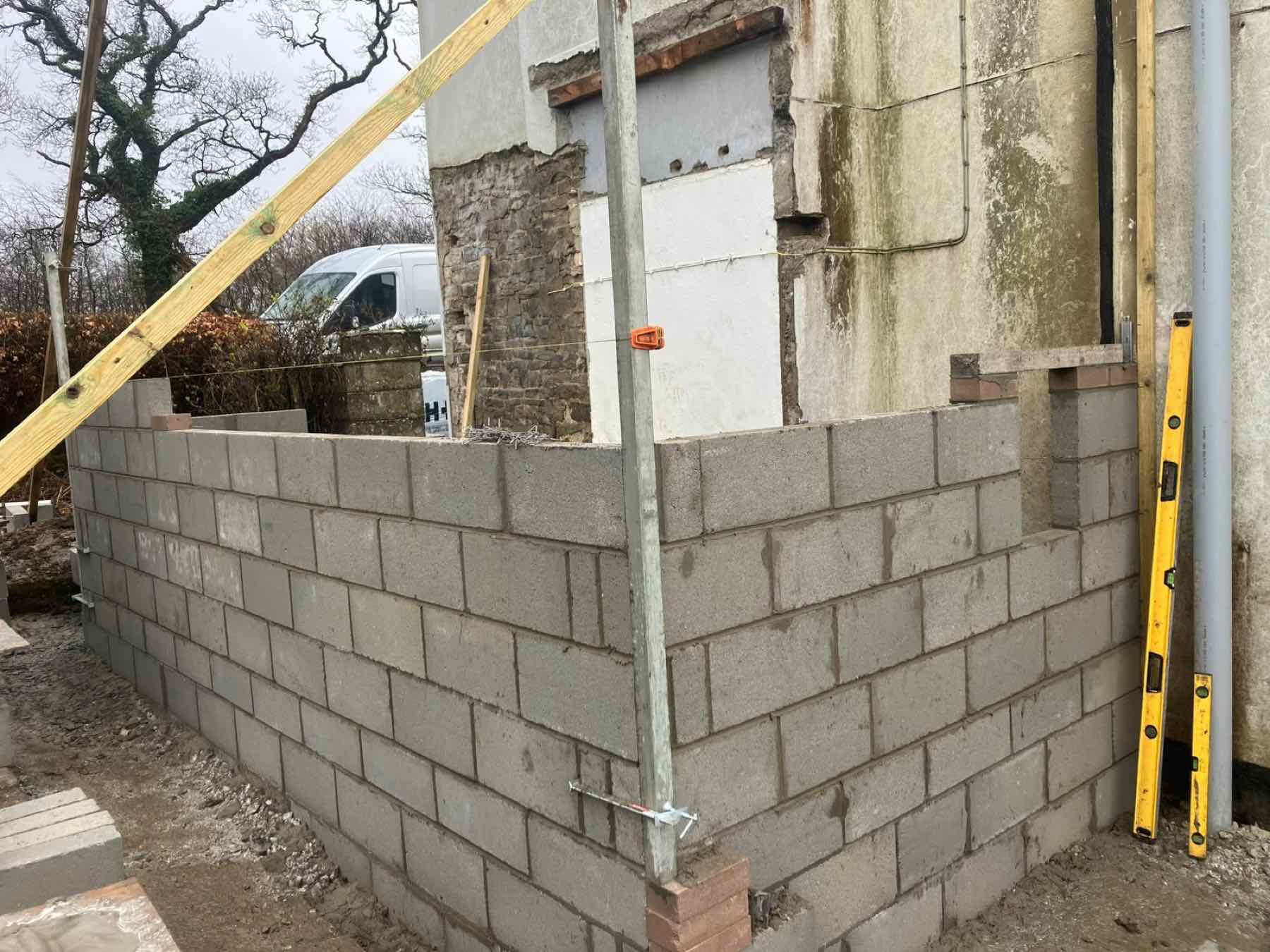
Not every groundworks job is part of a bigger build. We also carry out standalone drainage work, replacing a failing soakaway, installing a new treatment plant where an old septic tank no longer meets regulations, or re-laying a drainage run that has settled or blocked.
This work is scoped and quoted the same way as a full groundworks package: a site visit, an honest estimate, and a detailed quote once the ground conditions and access are understood.
Questions
Straight answers before you commit
If your question isn't here, ring Adam directly; you'll get the same straight answer on the phone.
How much do groundworks and foundations cost in North Devon?
It depends entirely on ground conditions, foundation type, access for machinery and how much drainage the site needs. Two plots of the same size can differ significantly once rock, water or old foundations are factored in. Your initial estimate is free; a full itemised quote carries a fee, refunded in full if you proceed.
How do you decide what type of foundation a site needs?
We dig trial holes to see what is actually under the topsoil, and on anything beyond straightforward ground we bring in an established structural engineer to confirm depth, width and type: strip, trench fill, wide strip or piled, before pricing is finalised.
What if the dig reveals something unexpected?
Rock, old foundations, buried services and higher water tables all turn up occasionally. Our estimates carry a built-in contingency for exactly this; and if ground conditions change the scope beyond that, we explain and price the change before continuing.
Do you handle drainage as well as foundations?
Yes. We design and install foul and surface water drainage, mains connections, treatment plants, soakaways and land drains, as part of a groundworks package or as standalone work if you have a specific drainage problem.
My plot has no mains drainage, what are my options?
A package treatment plant with a drainage field is the usual solution, sized to your property and the ground's percolation rate. We test the ground and design the system to meet current regulations before installation.
Who operates the digger?
Adam does. He owns his own machine and operates it himself on every job, which means the person cutting the trenches is the same person accountable for the foundation design and the build that follows.
Do you use subcontractors for groundworks?
Only where certification is required, a gas-registered plumbing engineer for certain connections, or an established structural engineer for foundation design. The excavation, setting out and drainage installation are carried out by our own team.
Can you deal with a sloping or difficult site?
Yes. Sloping ground, restricted access and rural plots with no mains services are common across North Devon and are handled with stepped or engineered foundations, retaining structures and treatment plant drainage where needed.
Does groundworks work come with a guarantee?
Yes. All our work, including groundworks, carries a 12-month no-quibble workmanship guarantee, and we hold £5 million public liability and £10 million employers' liability insurance.
Which areas do you cover for groundworks and drainage?
We are based at Langtree near Great Torrington and work across North Devon, including Bideford, Barnstaple, Holsworthy, Hatherleigh, Winkleigh and Braunton.
Related work
Other trades we cover in-house
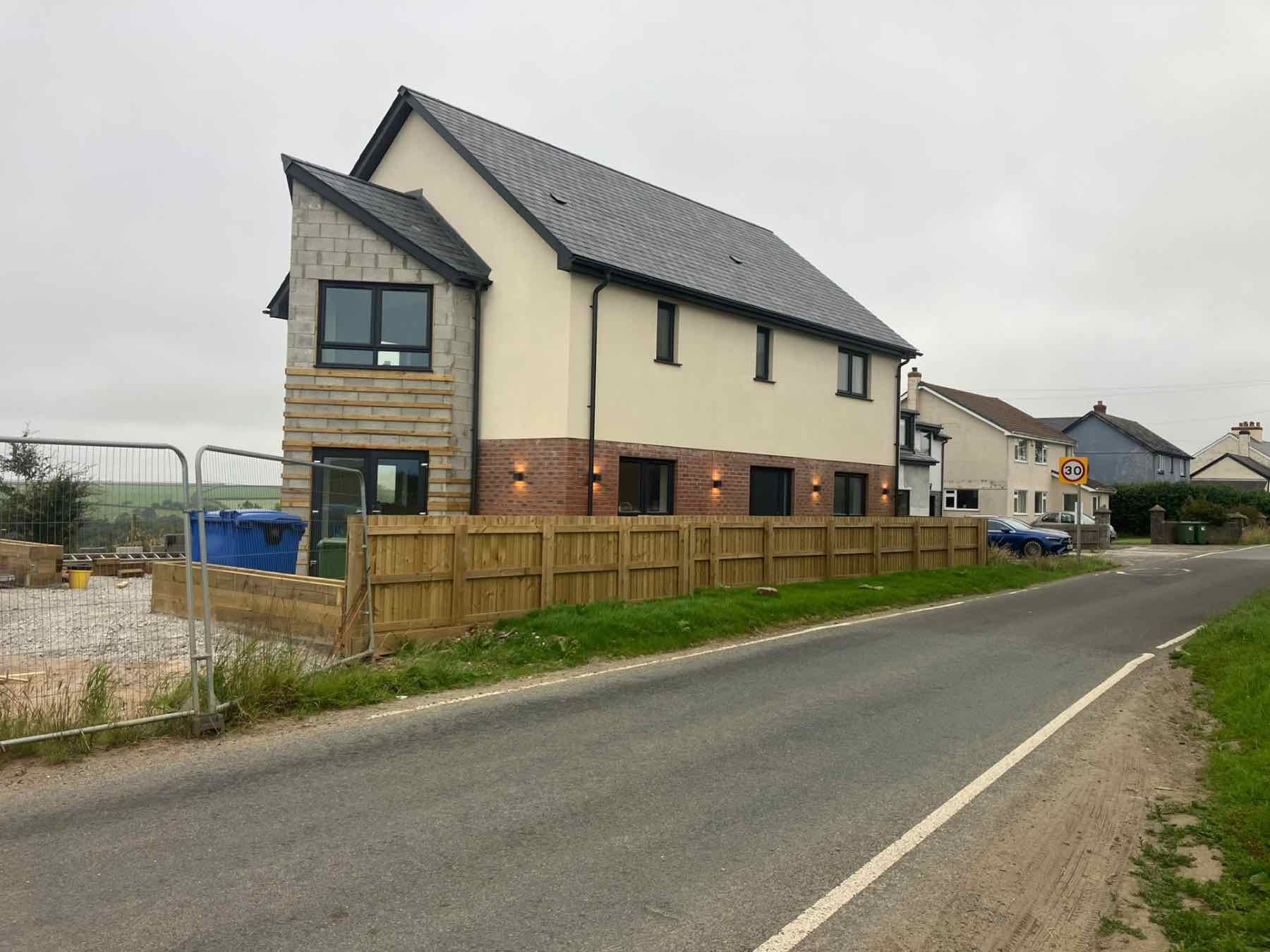
New Builds
Ground-up homes for private clients, with a 10-year structural warranty.
View service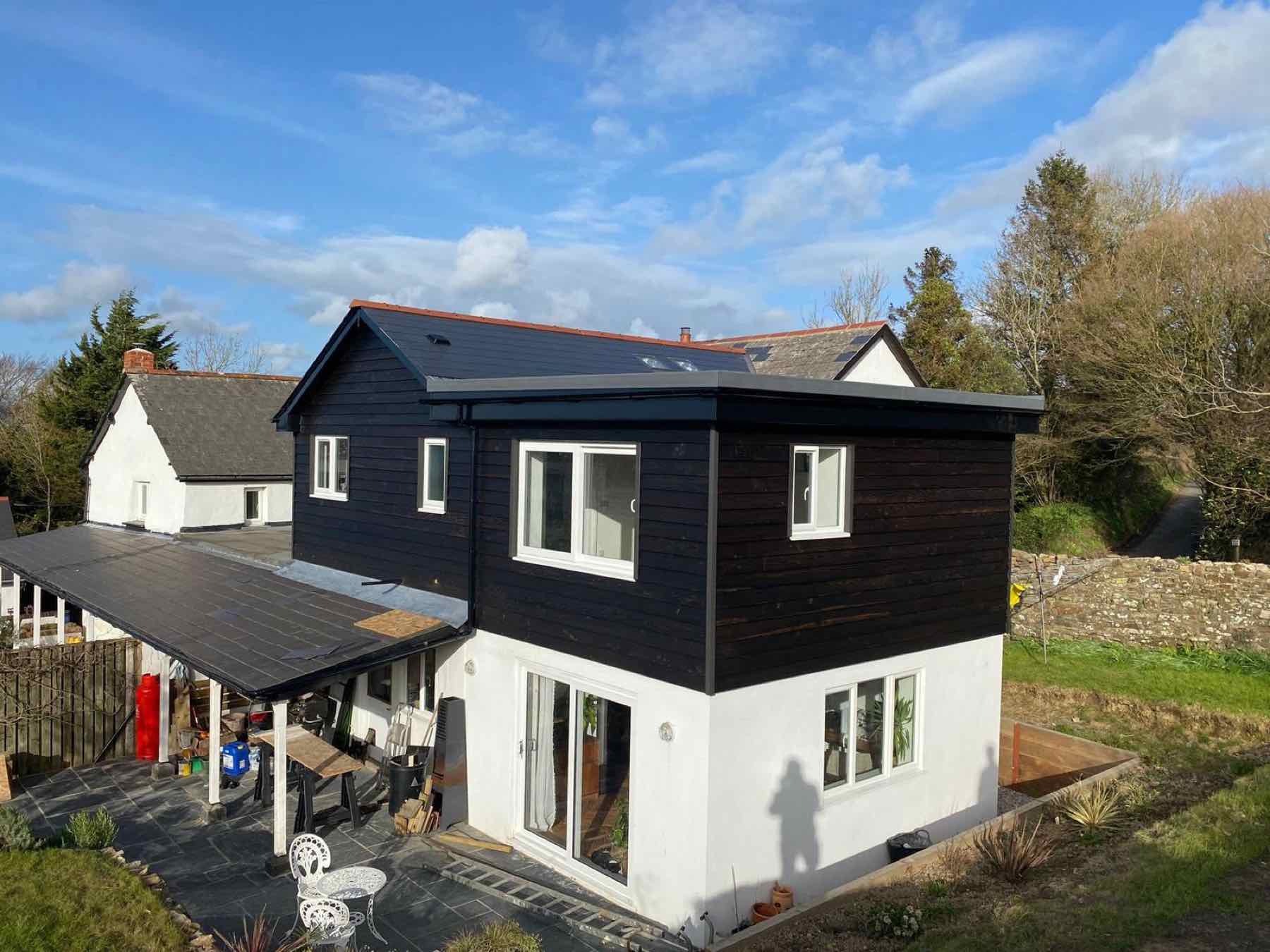
Extensions
Single and two-storey extensions, structural work included.
View service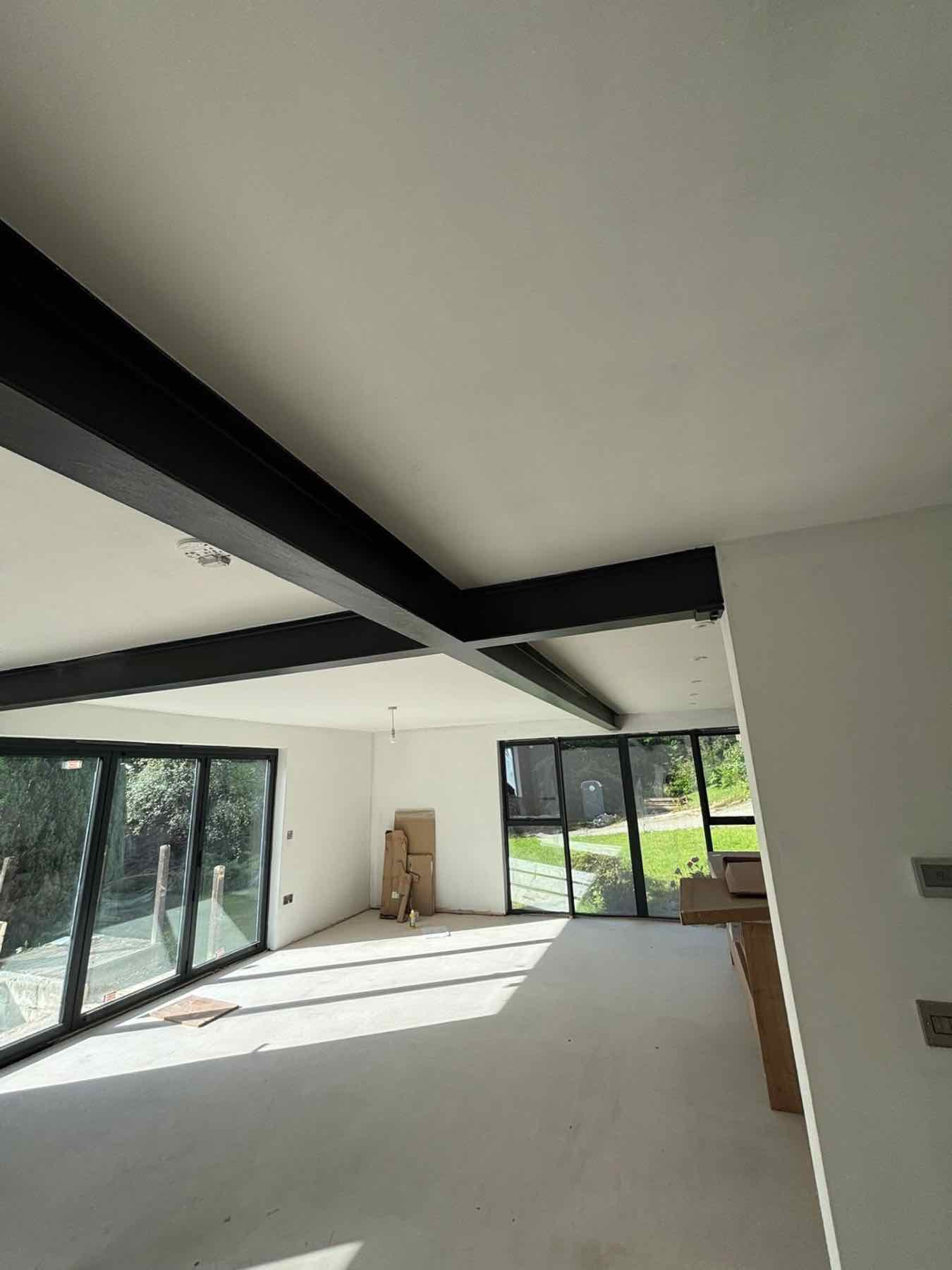
Structural Alterations
Wall removals and openings, designed with our structural engineer.
View service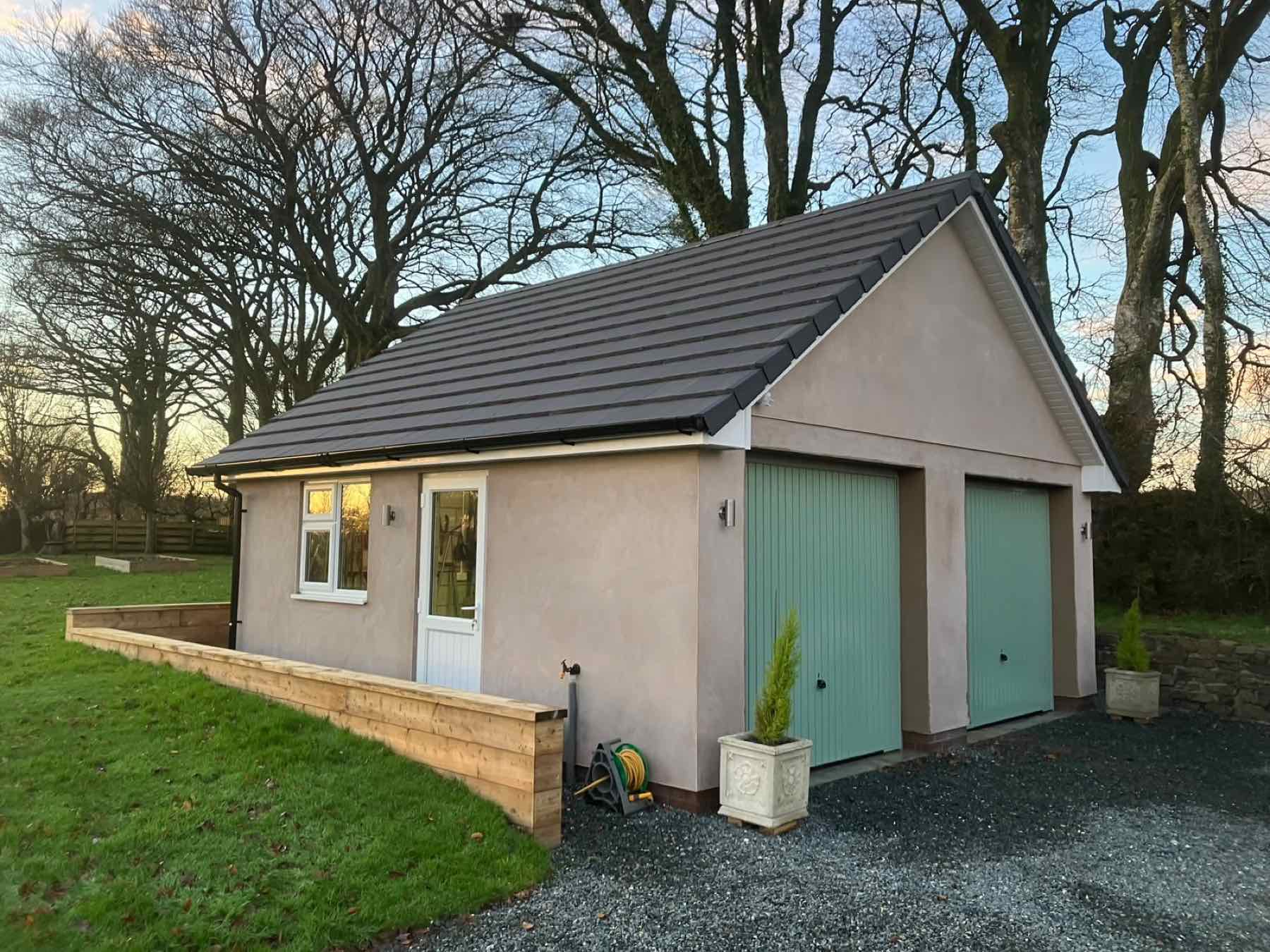
General Building
Brickwork, blockwork and repairs from a qualified bricklayer by trade.
View serviceWhere we work
Groundworks & Foundations across North Devon
Next step
Get your ground assessed before you commit to a design
Tell us about your plot or your drainage problem and Adam will visit, check access and ground conditions, and give you a free initial estimate, including the parts of the job that get missed until the digger is already on site.
£5m public liability · £10m employers' liability · 12-month no-quibble workmanship guarantee